
Jarada. The resilience of the Indian cherry against the cochineal worm
Economy of the East
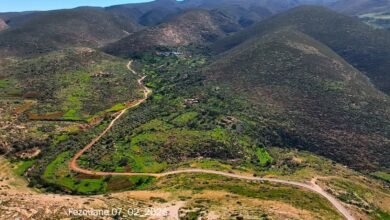
To be sure, the scarlet worm has caused serious damage and almost wiped out cactus cultivation in the east. However, a pilot experiment in the Jerrada region proves that the general rule is not absolute. Traditional cacti can resist the pest as long as specific agronomic techniques are followed, constant monitoring, utilizing inherited expertise, and focusing on resistant varieties.
Spacing the planting of cacti at 5×3 meters is enough to avoid harmful densities and timely intervention against the caterpillar. Moreover, some plantations have survived the spread of the devastating insect thanks to strict measures to prevent the spread of the scarlet worm, such as plant health treatment programs and the immediate destruction of infected cloves.
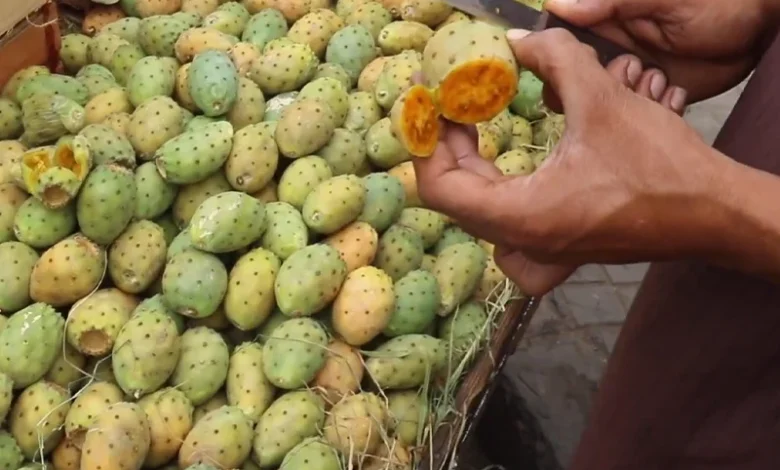
In the East, more than 10,000 hectares were destroyed before the spread of the pest was curbed, which caused significant losses in the fields and negatively impacted the income of small farmers. However, this widespread destruction has had a devastating effect on productivity, which explains the skyrocketing market prices. “Is it reasonable to buy a single prickly pear for 5 or 10 dirhams, while in local markets it used to be sold for 10 dirhams per 5 kilograms?” Mr. Hamida, the Indian kremos seller, asks.
Many families who used to consider this fruit their first choice in the summer are no longer able to afford it. Mr. Hamida adds: “We have to wait for the new crops to reach maturity so that the prices come down and we can enjoy this local fruit at affordable prices.”
Abdelrahman Anfalous, regional director of the Ministry of Agriculture, Fisheries, Rural Development, Water and Forestry, said that daily monitoring and control of the pests have yielded positive results.
A case in point is a non-resistant farm near Ganfouda (Jarada region), which is still producing well. Its owners were able to act in time thanks to training sessions with internationally experienced researchers.
Anfluos adds: “The ministry has no intention of stopping halfway, as it has programmed to plant hundreds of additional hectares, but this time using scale insect-resistant seedlings and varieties.”
Demand for new varieties is high, which has encouraged the Ministry of Agriculture to adopt new methods within the framework of solidarity farming. The goal is to create the right conditions for the success of agricultural programs in fragile areas, within a sustainable development approach.
This alternative has proven successful because it combines economic efficiency, social justice, and conservation of natural resources. It also enhances the resilience of selected varieties to climate variability and phytosanitary risks.
Criteria to control
In practice, this requires controlling several parameters: Land selection, planting density and methods, adaptation to different soil types and temperatures, selection of tools used in planting and follow-up, pruning of seedlings and the period for doing so, fertilization of fruits and cloves, growth and harvest stages, among others. These requirements are seriously considered by the target groups.
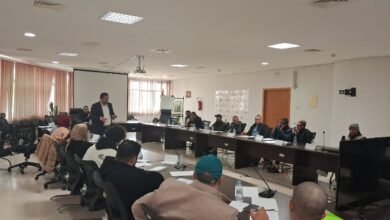
These methodologies were presented during awareness-raising meetings on the dangers of the scale in Sidi Ifni (Ait Ba Omrane), which were attended by farmers from the Jarada region, said Abderrahmane Tignamen, manager of a cactus farm dedicated to the cultivation of prickly pear.
Tiganmin explains: “The experiment was successful, thank God we started marketing the fruits, and we hope to develop production further by planting additional hectares to lower prices.”