This week's edition of your magazine

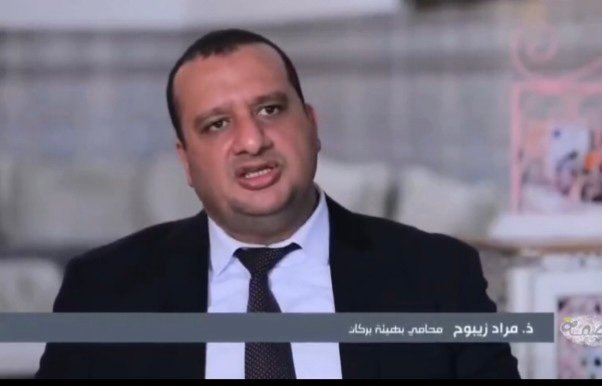
Lawyer Mourad Zibouh represents 40 student-employees to cancel enrollment fees at Mohamed I University in Oujda
Economy of the East
The issue of enrollment fees in the master's and doctoral programs at Mohamed I University in Oujda is witnessing a remarkable development, after forty student employees won their first judicial victory thanks to the lawsuit filed by their lawyer Mourad Zibouh, which has become at the center of the national debate about free higher education and its upcoming reforms.
The lawsuit, filed before the Administrative Court of Oujda, came immediately after the university's Administrative Council's decision on October 1 to impose registration fees on employees wishing to pursue higher education for the academic year 2025-2026. These employees assert that going to court was a necessary step to defend their right to access the public university without financial obstacles, especially since they are pursuing their studies to update their knowledge and improve their careers.
On December 3, the Administrative Court ruled to suspend the implementation of the decision until the final decision on the file, allowing those concerned to continue their studies under normal conditions. This ruling is an important milestone in the appeal process and gives the lawsuit led by lawyer Zibouh legal weight, which may extend to other university institutions if a final ruling is issued in favor of this direction.
Observers believe that Zibouh's case highlights the issues raised by Bill No. 59-24, on the reform of the higher education system, which provides for the possibility of charging fees for enrollment in master's and doctoral programs. The bill has sparked widespread union objections, most notably from the National Syndicate of Higher Education, which argues that the imposition of fees undermines the identity and independence of the university.
For their part, unions argue that the imposition of fees creates a gap between students and employees and raises the question of equity in access to higher education. Mustapha Azitraoui, deputy general secretary of SNSUP, points out that the decision is not made by the universities, but by the Ministry of Education.
While the ministry justifies the measure by citing the need to provide flexible study programs for employees outside the working week, the unions argue that distance education and experiences during the coronavirus pandemic have proven that these issues can be overcome without resorting to additional fees.
The question remains: Will this court ruling, obtained by lawyer Mourad Zibouh in favor of the 40 employees, set a precedent that could lead to a revision of the draft law or a unified position within the rest of Morocco's universities? The answer will be revealed in the coming months, as the public debate over the future of free higher education in Morocco continues