This week's edition of your magazine

Nador Launches Listening Phase to Prepare Integrated Territorial Development Program with a Participatory Approach
Economy of the East
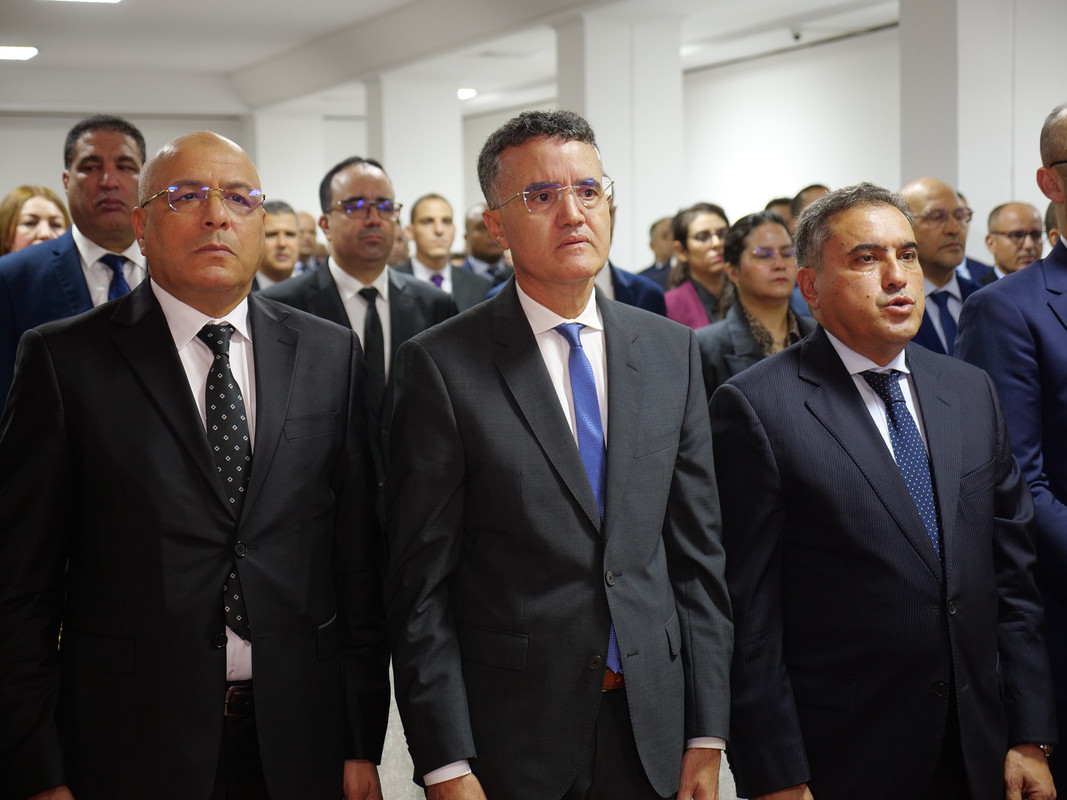
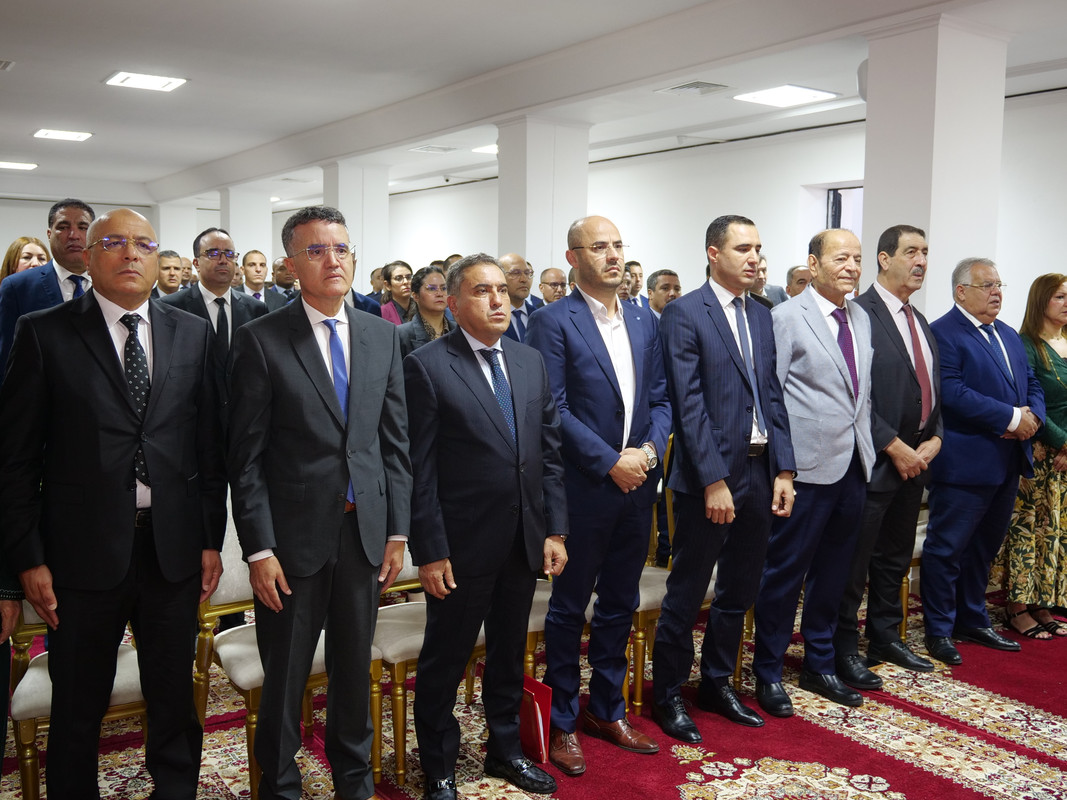
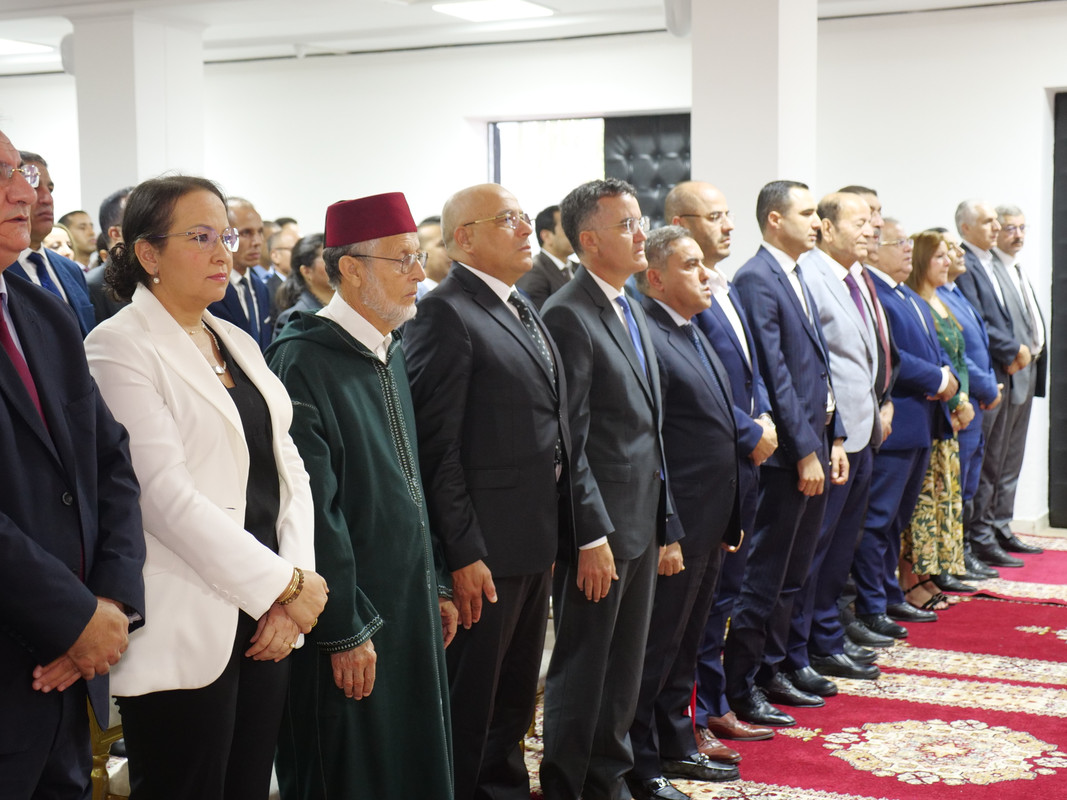
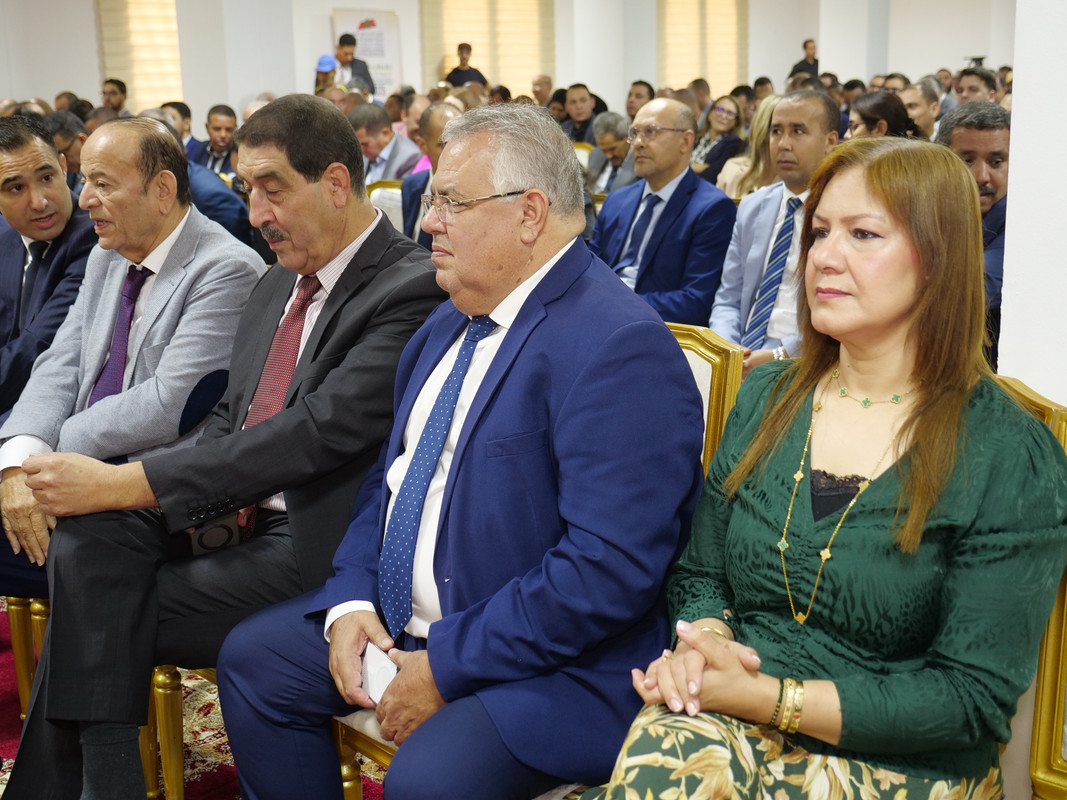
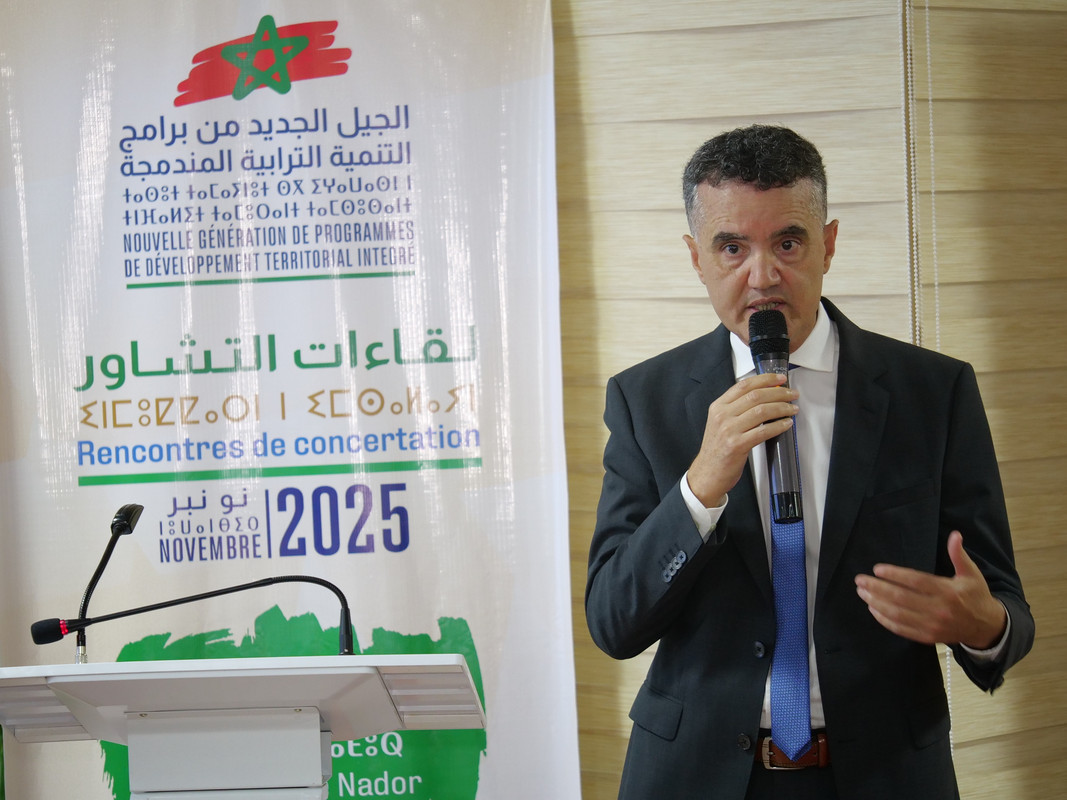
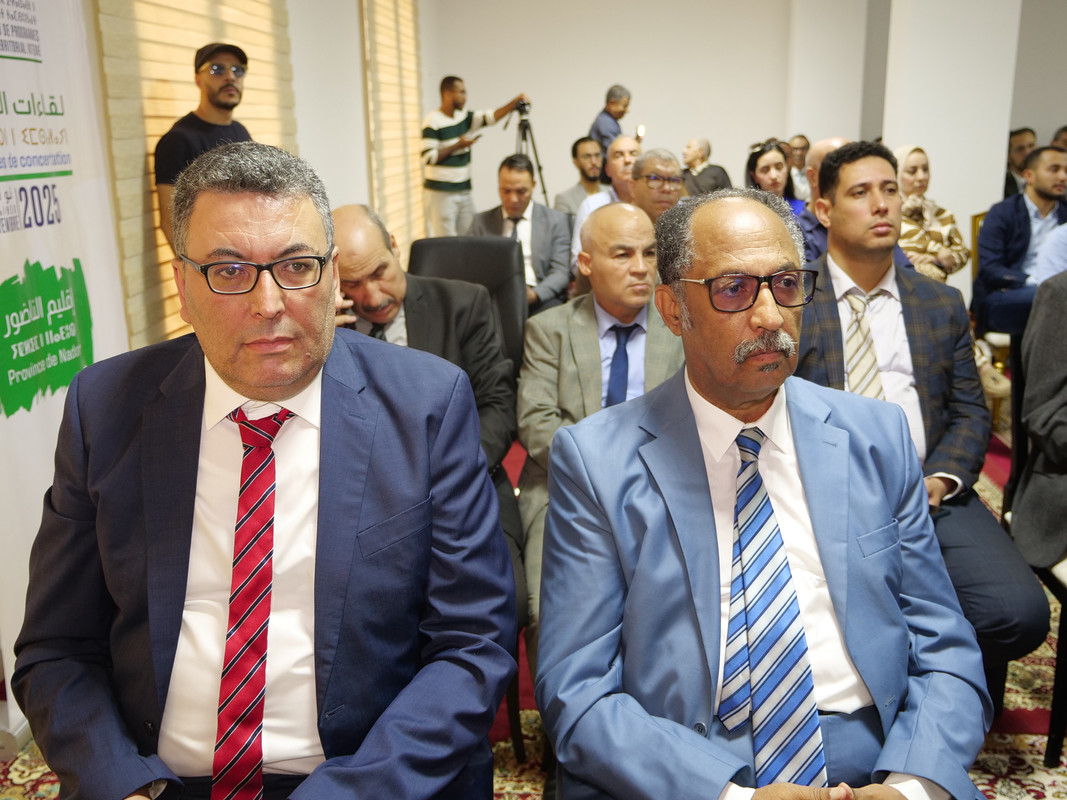
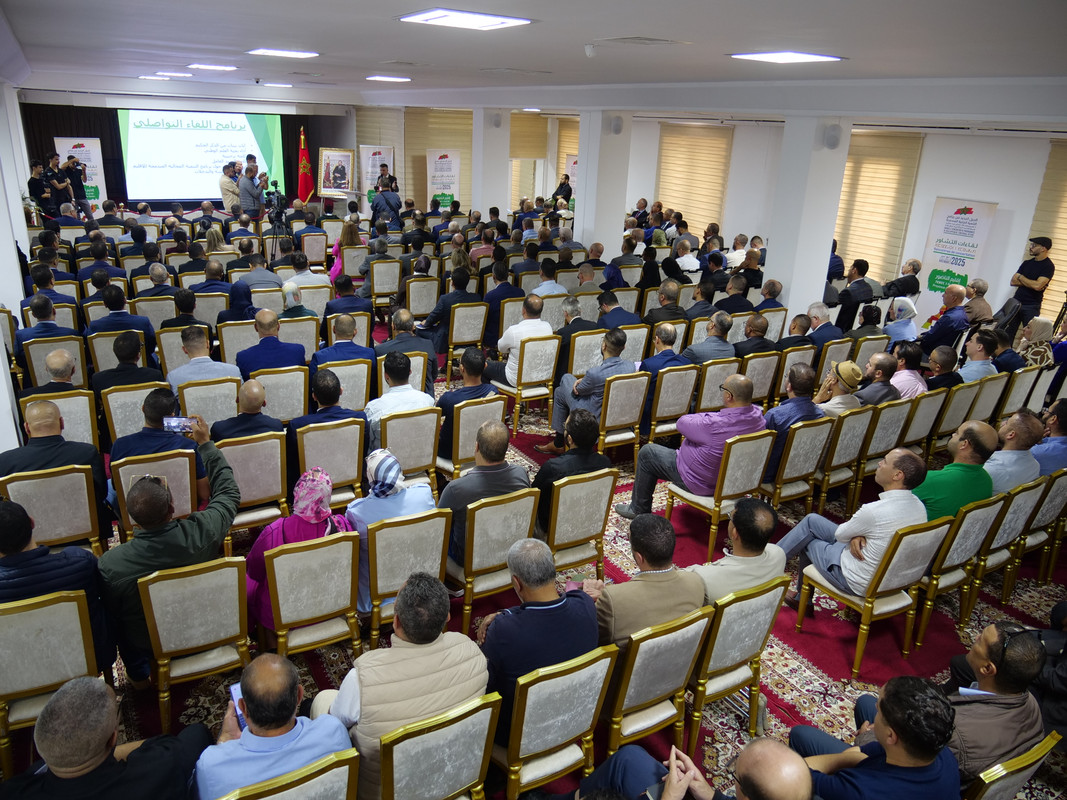
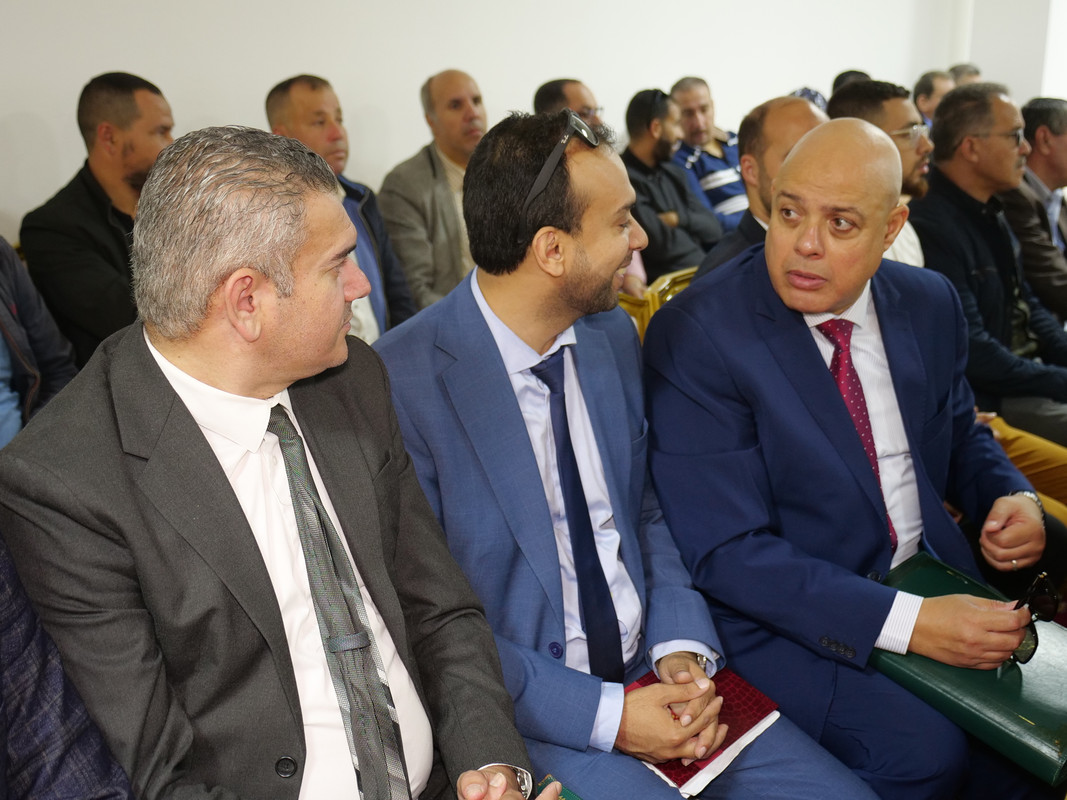
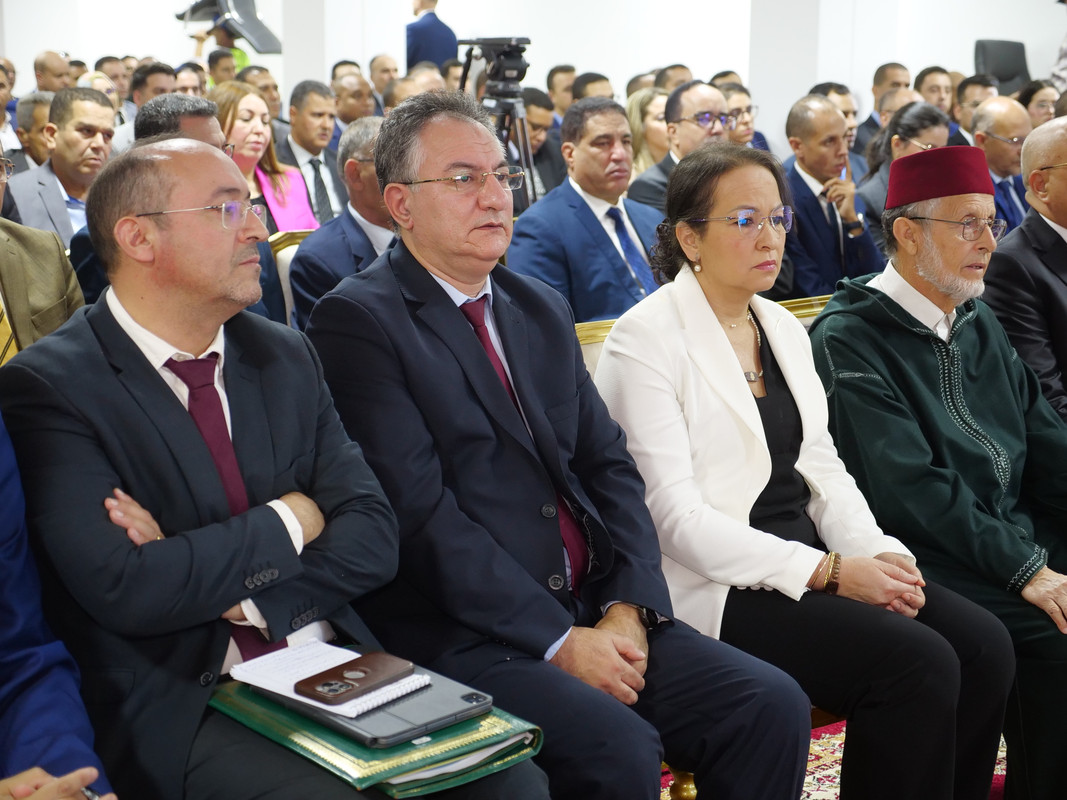
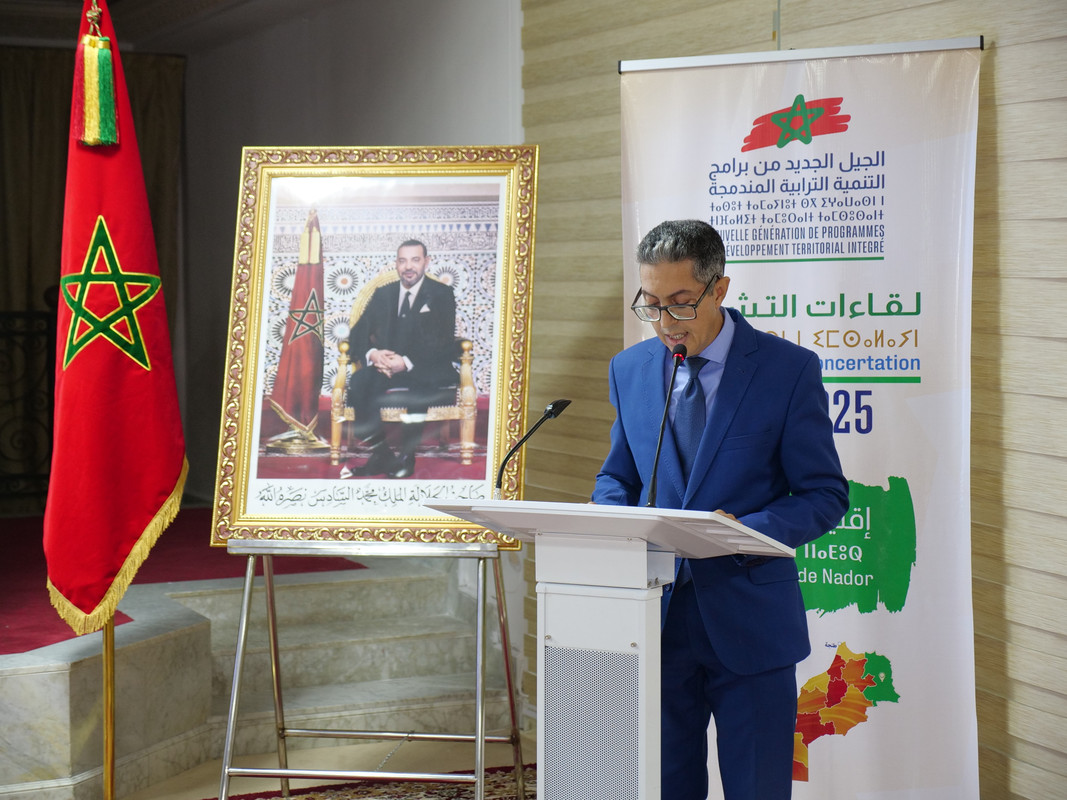
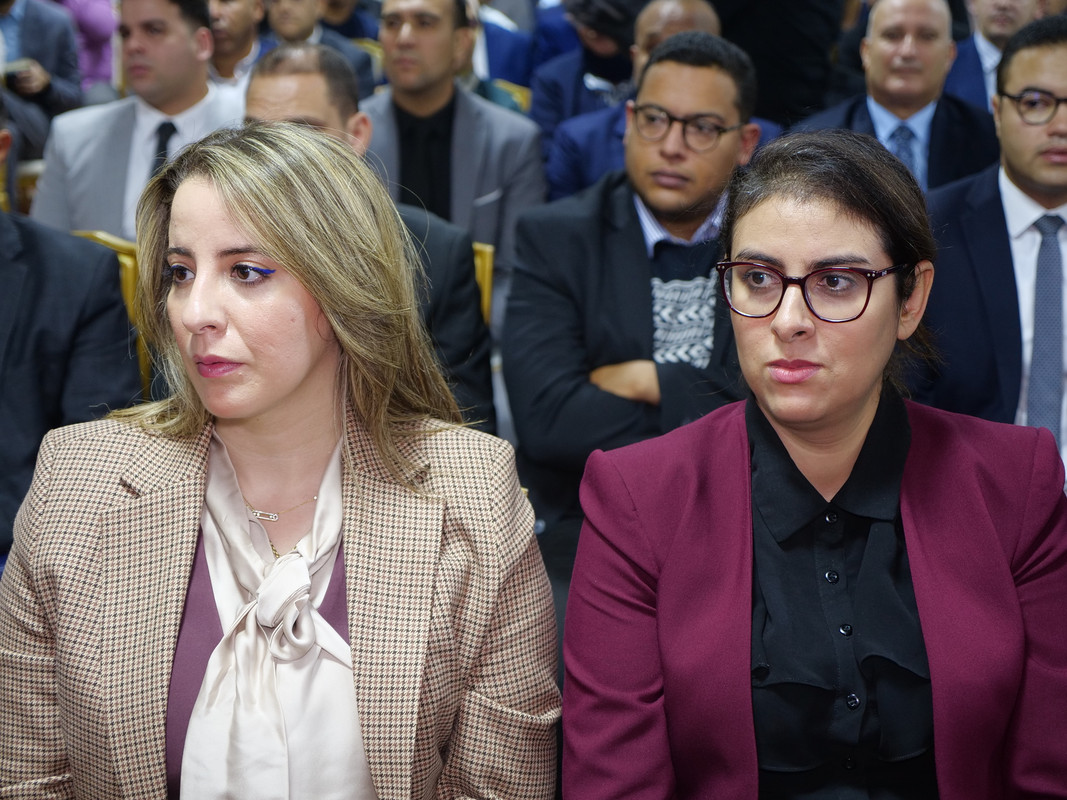
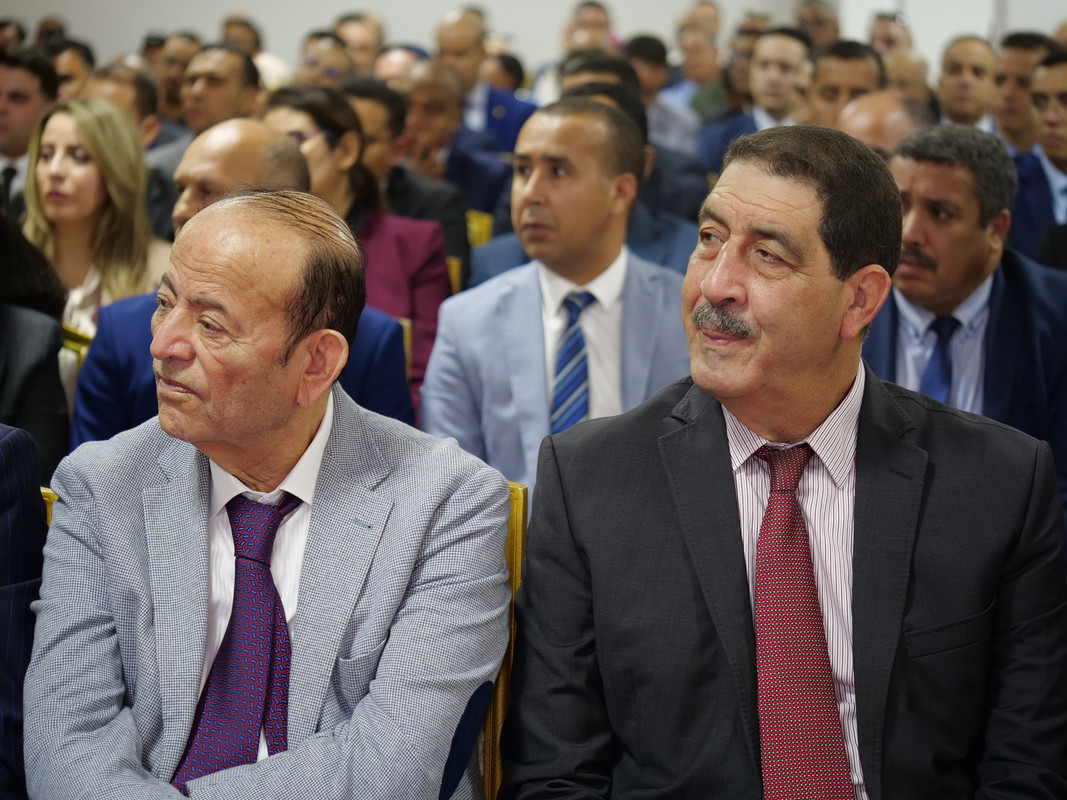
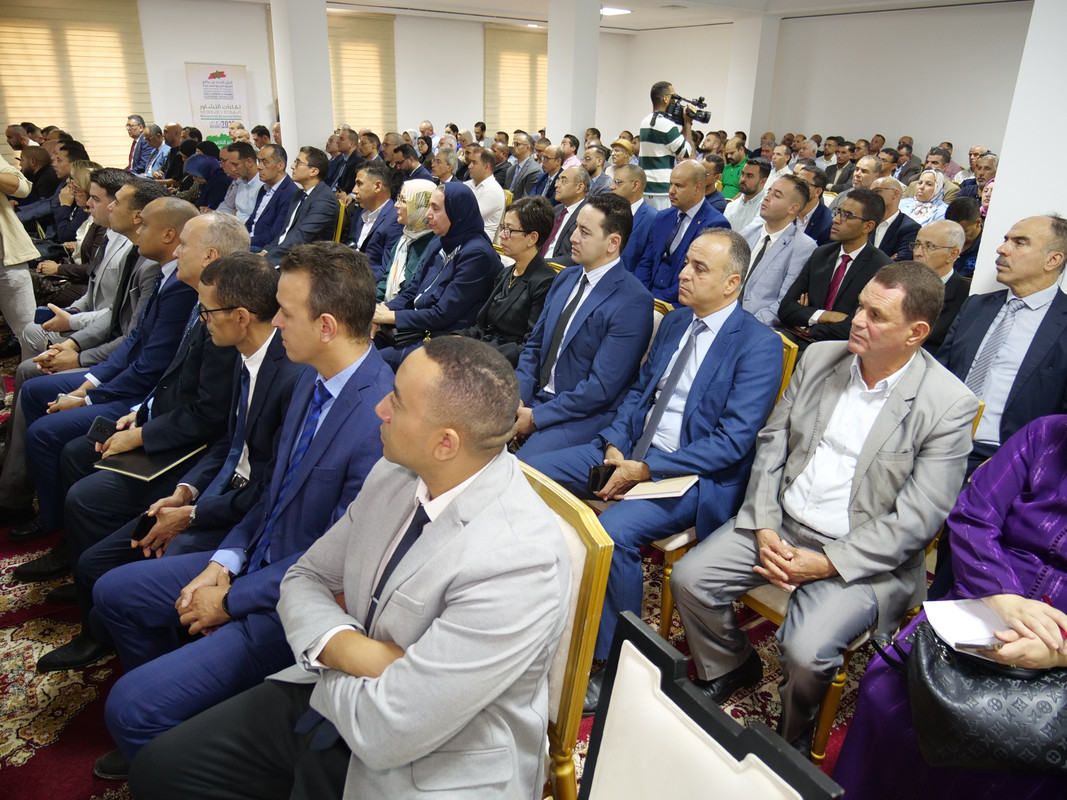
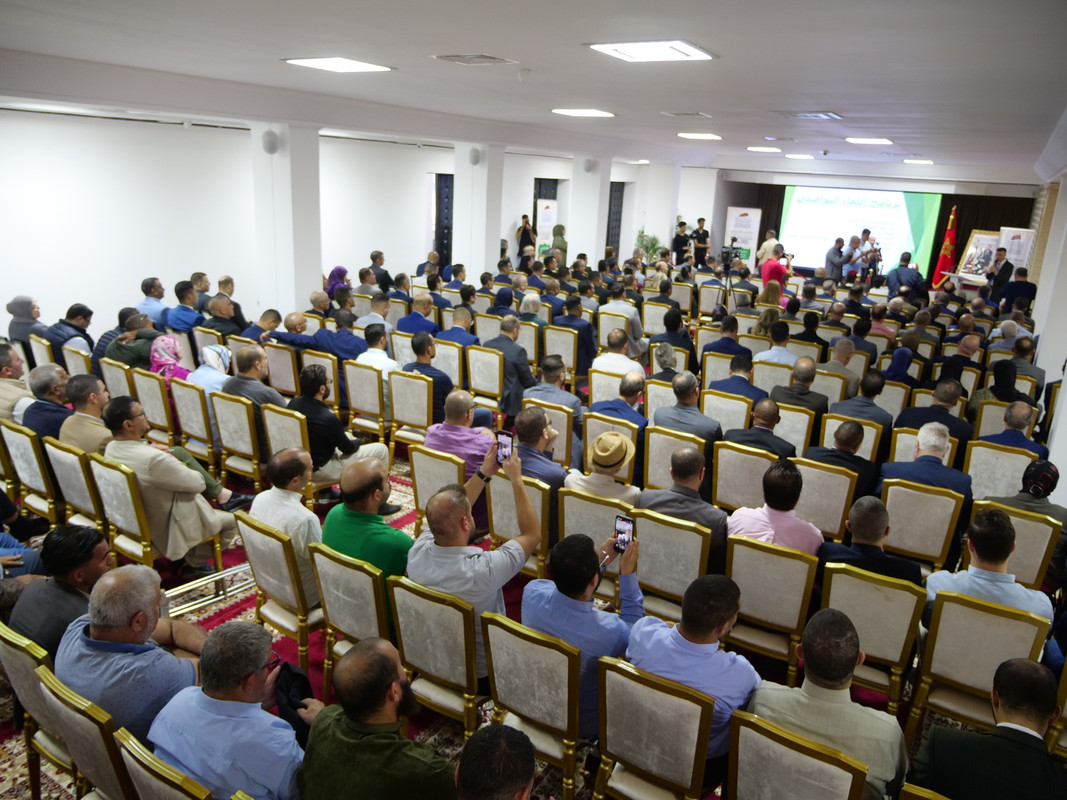
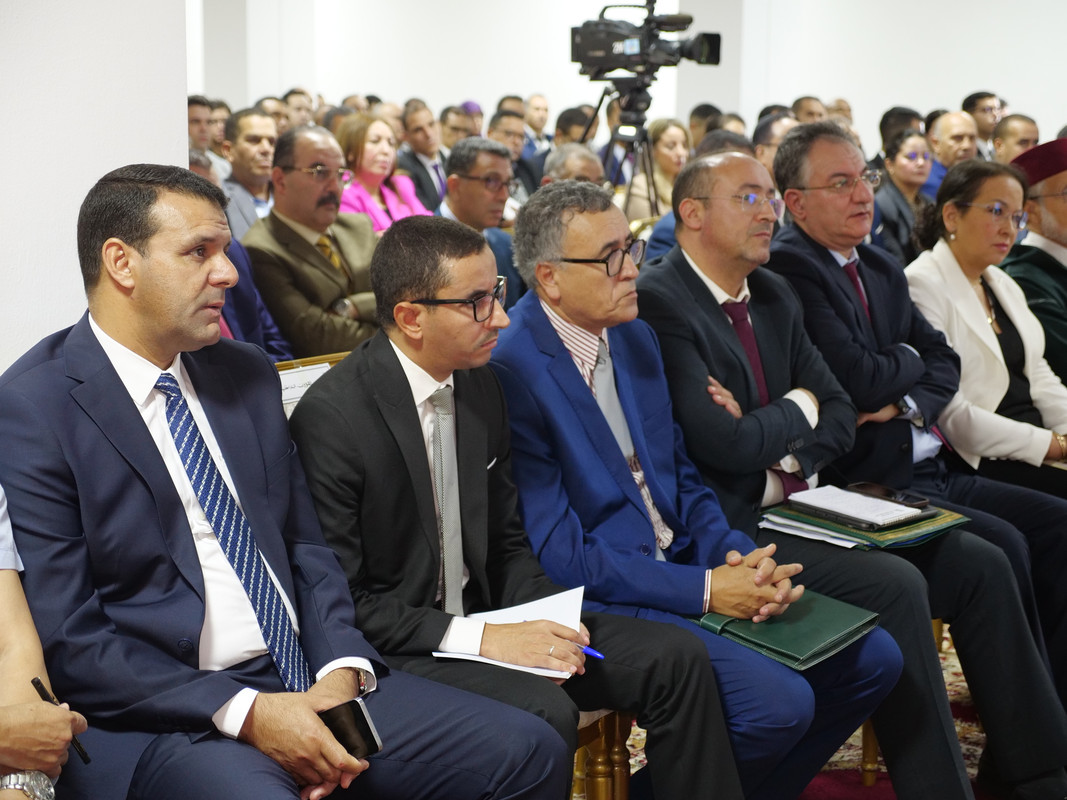
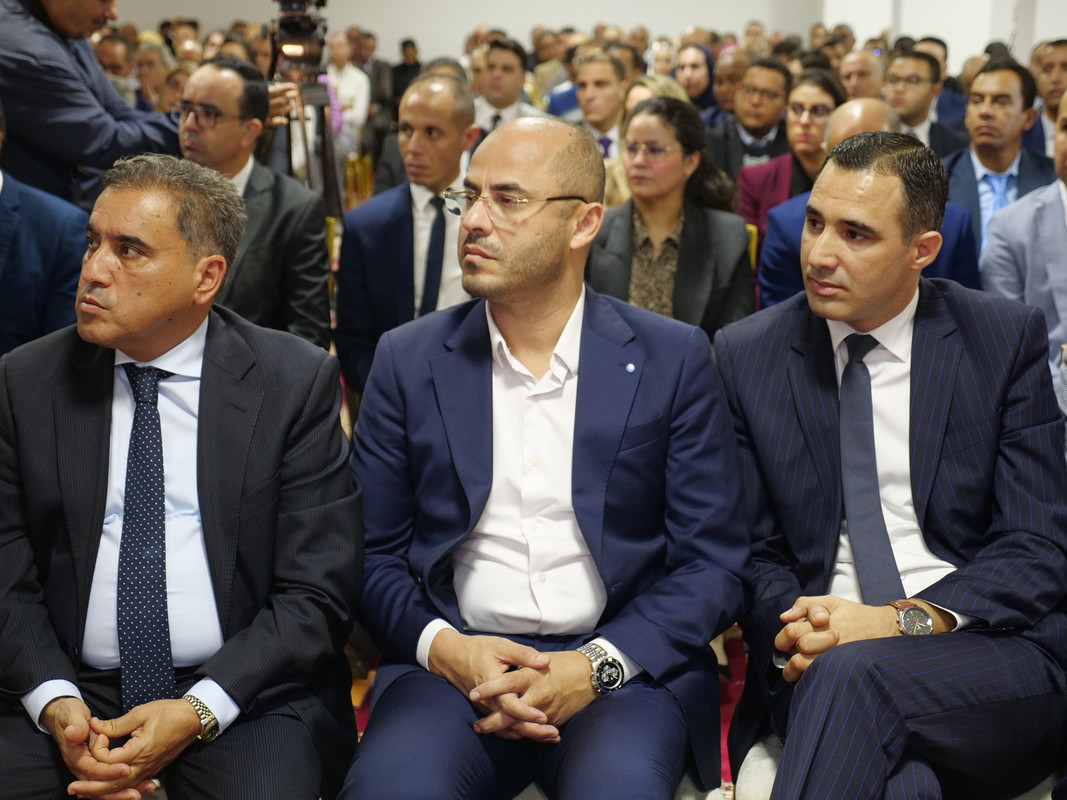
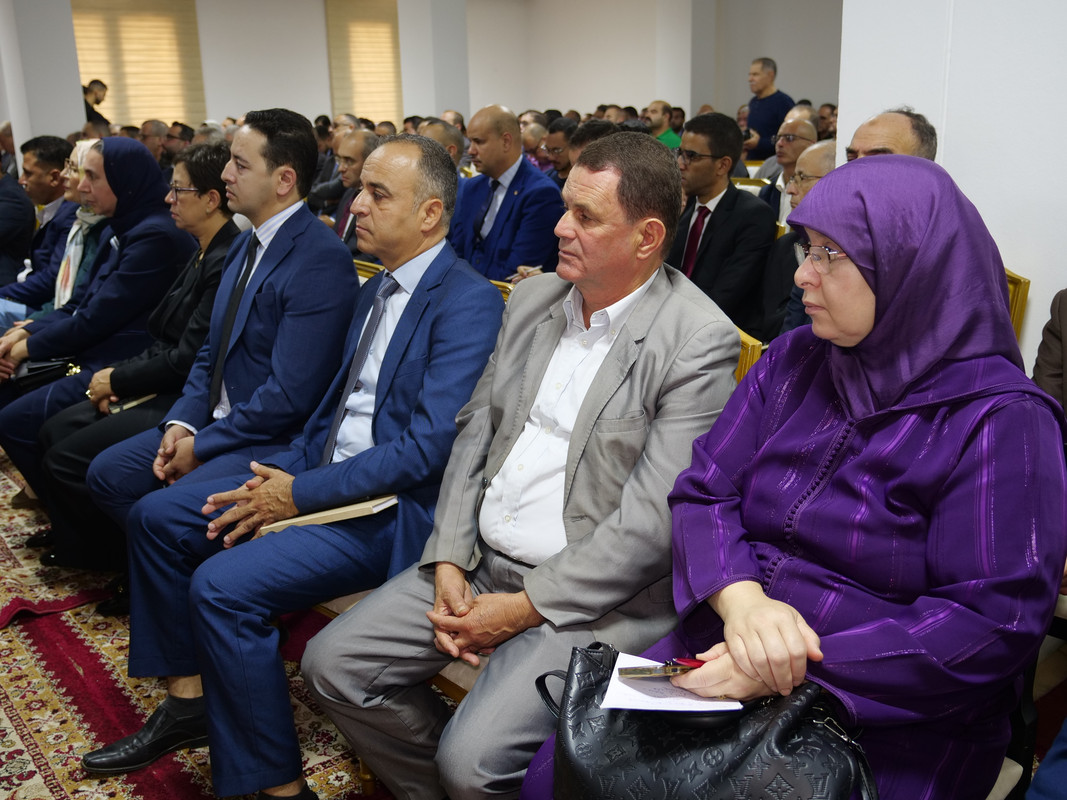
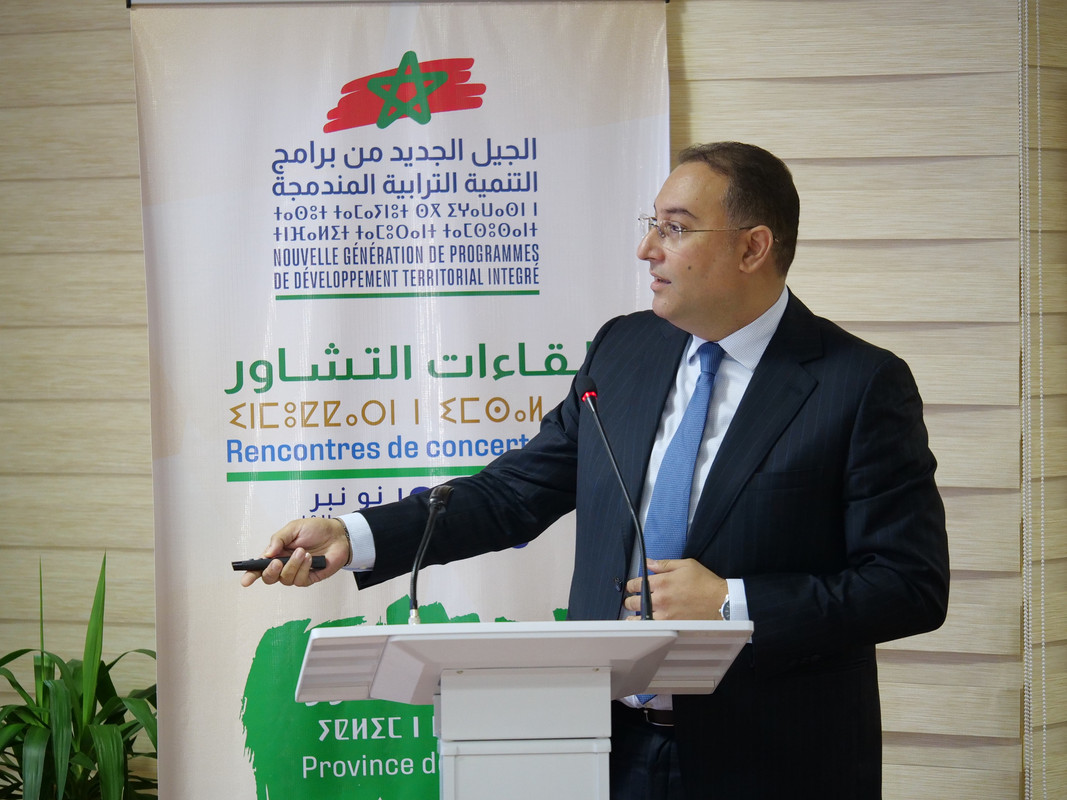
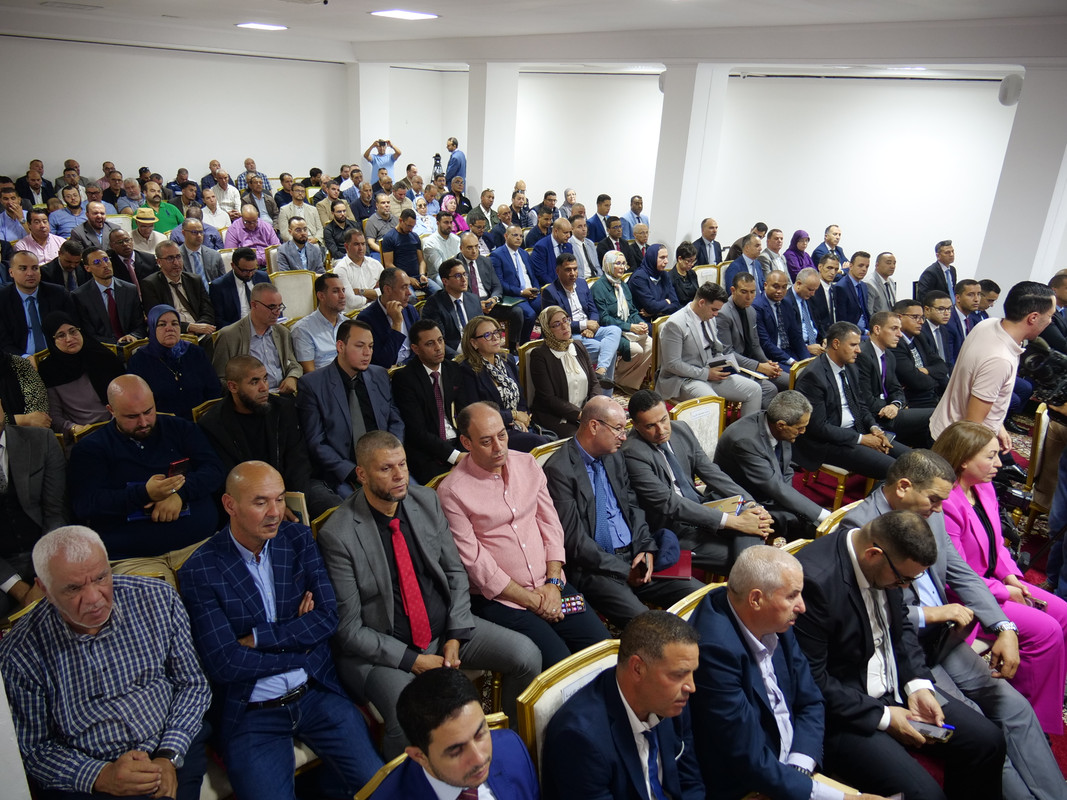
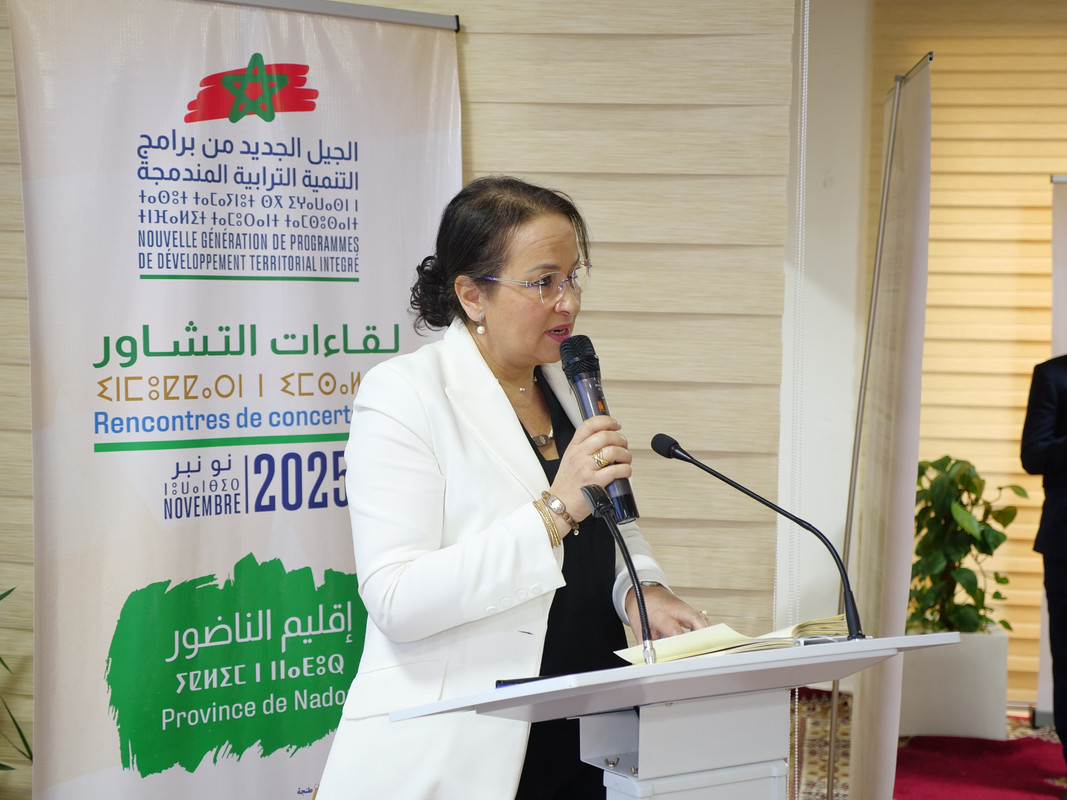
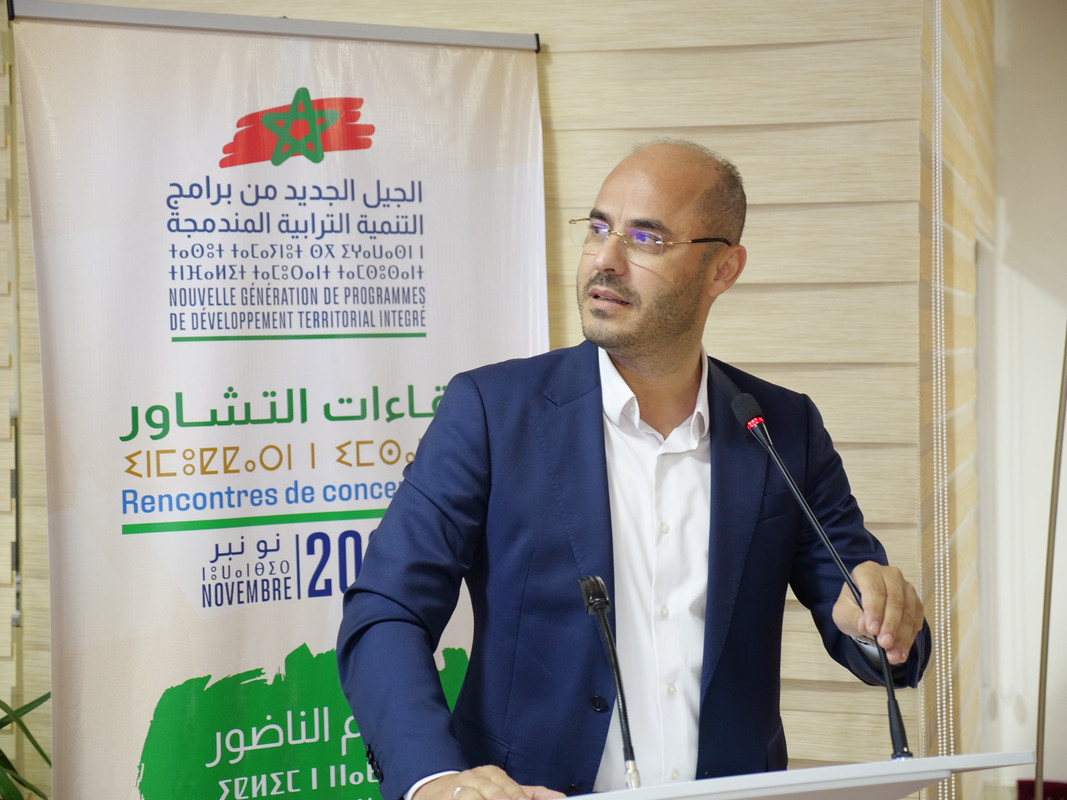
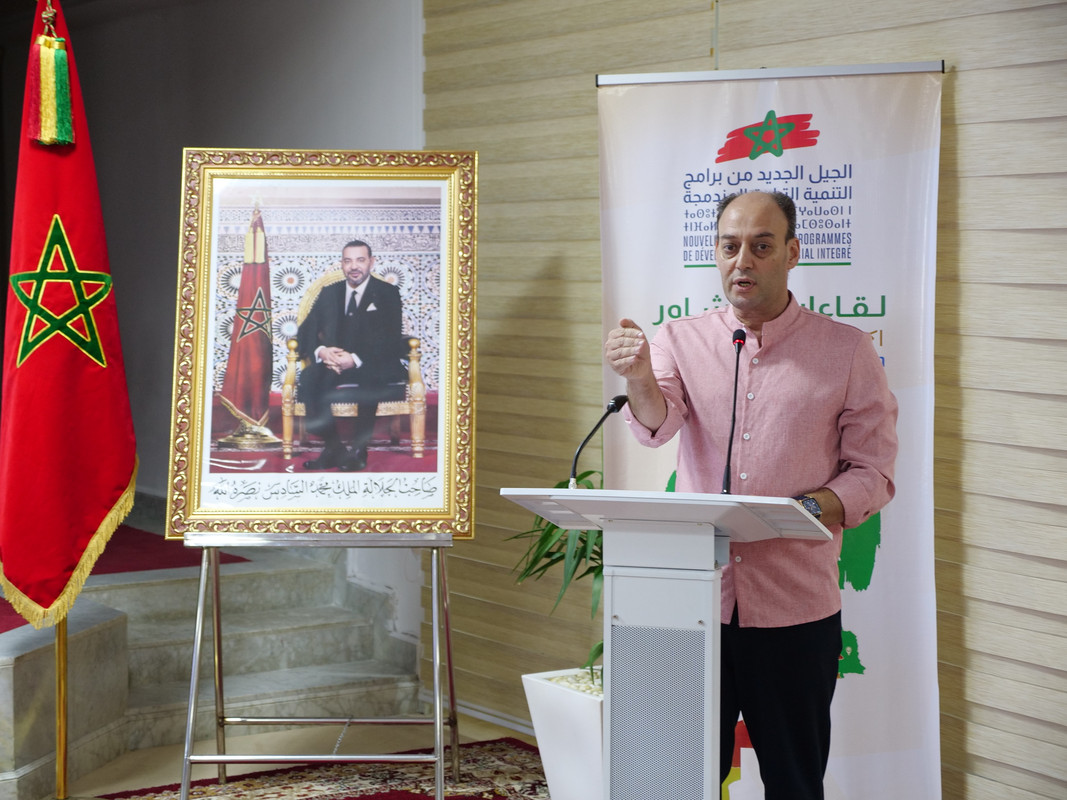
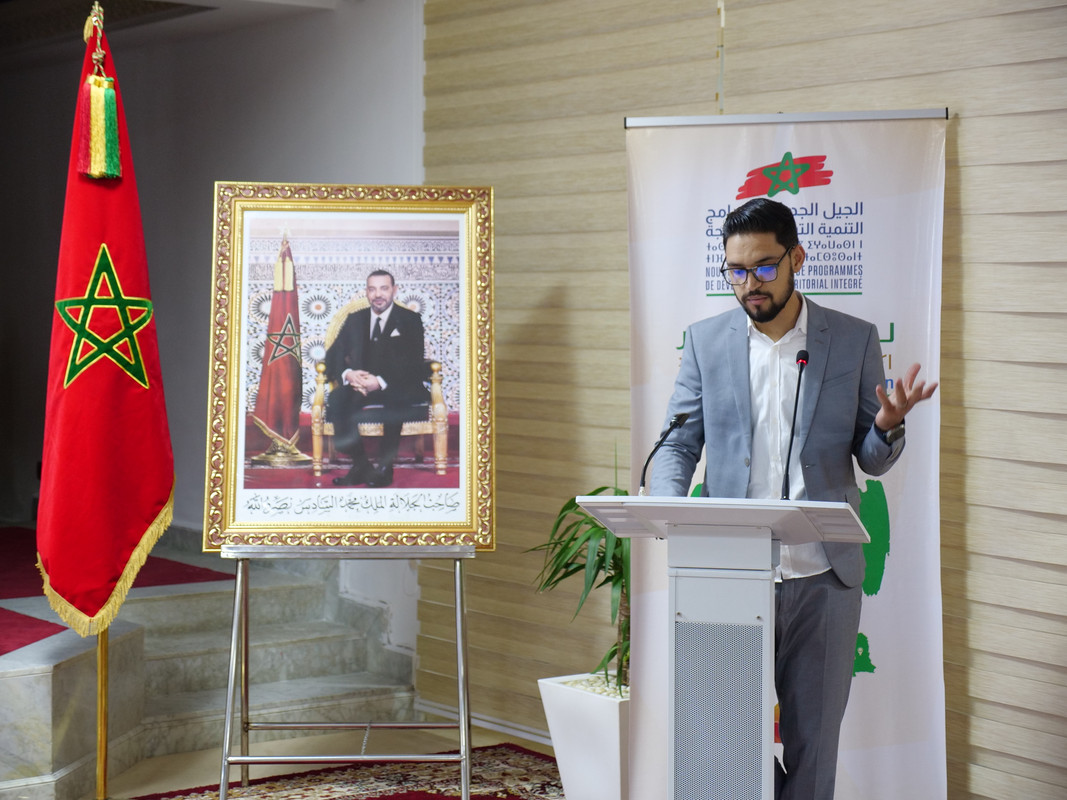
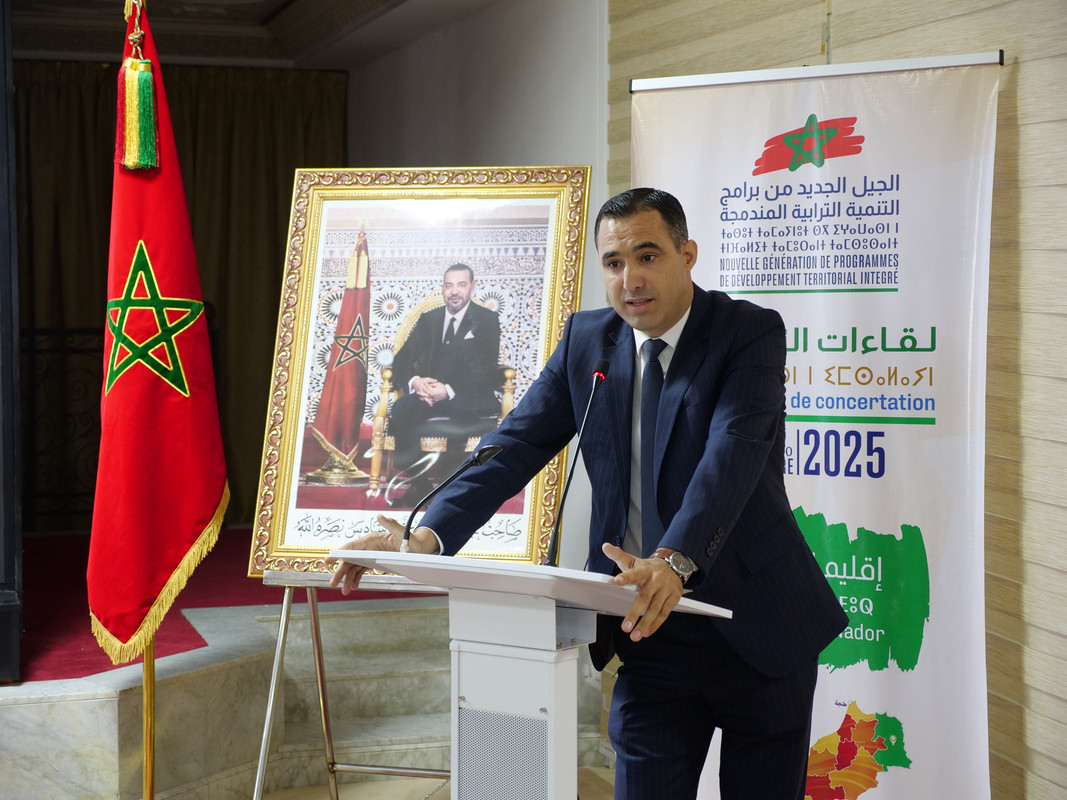
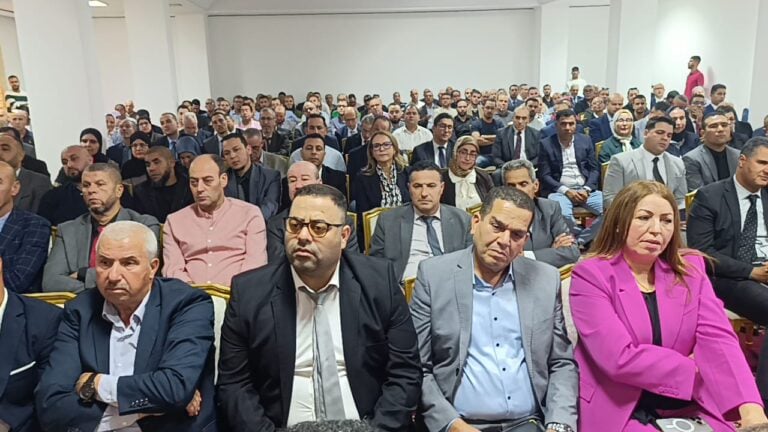
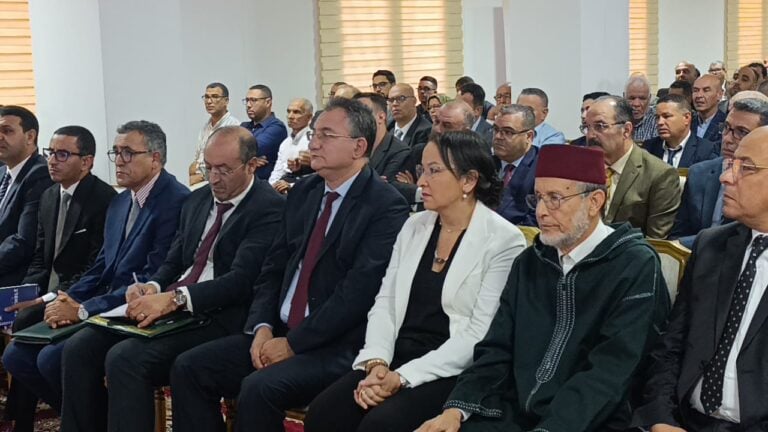
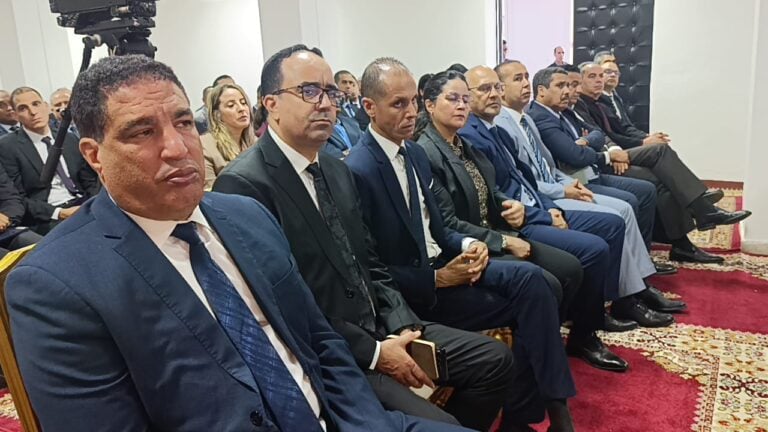
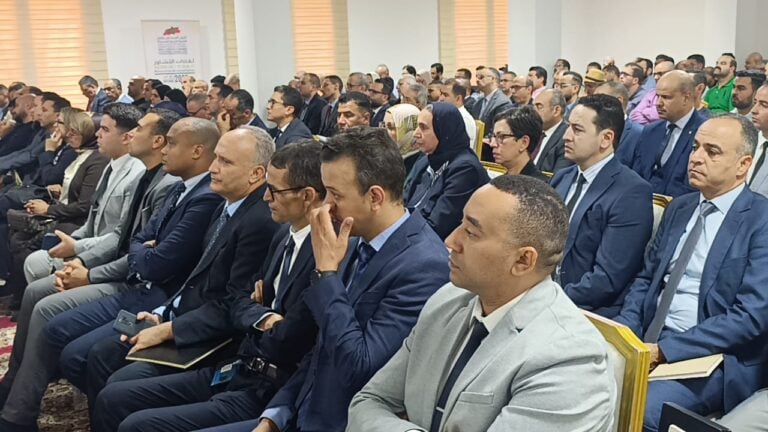
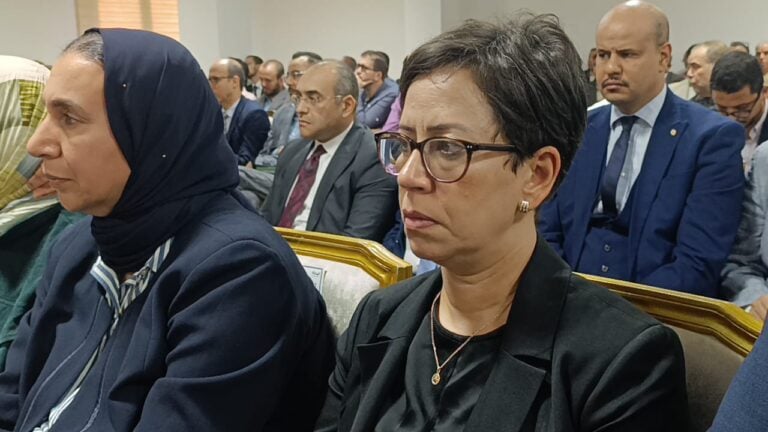
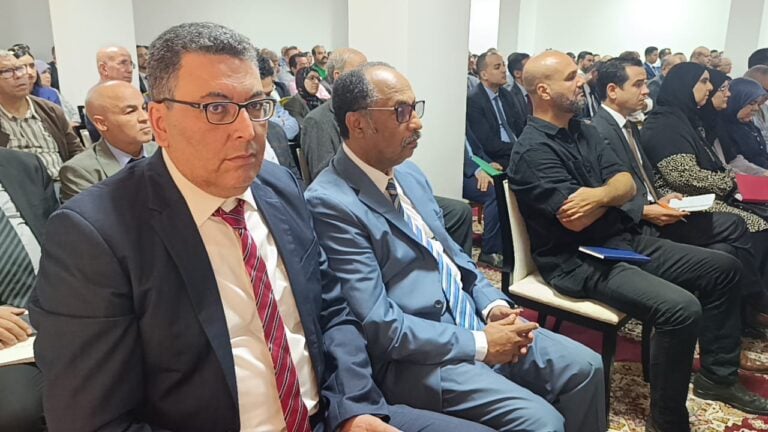
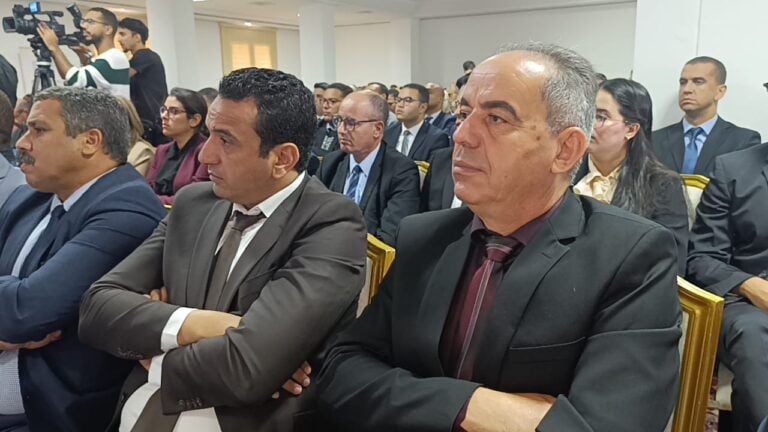
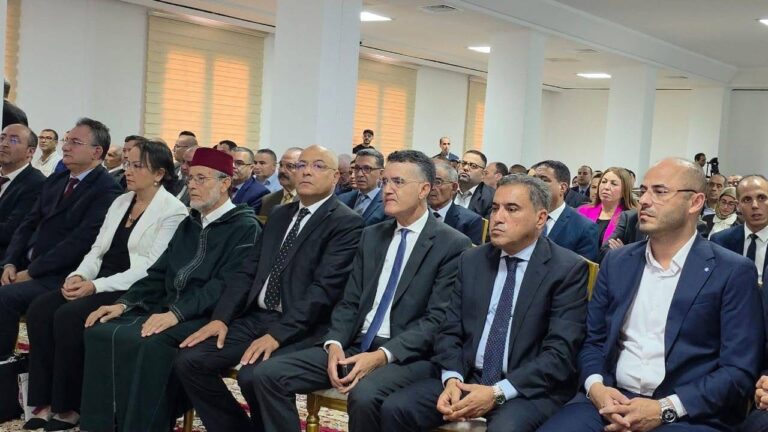
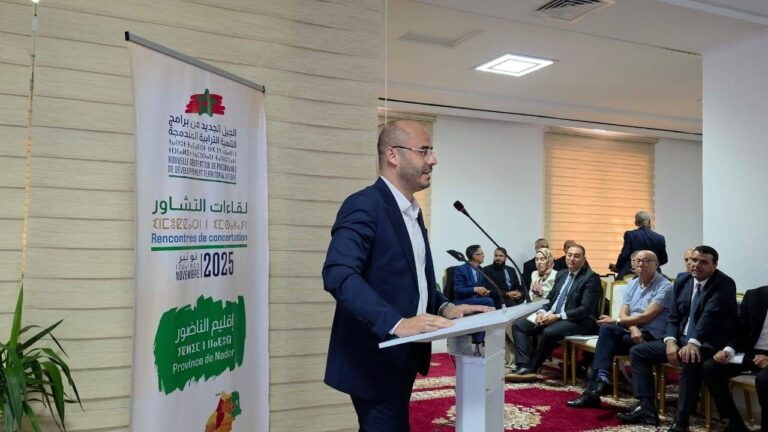
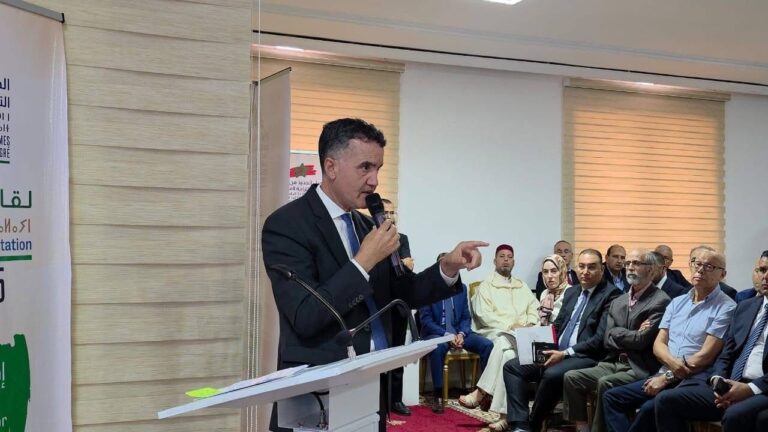
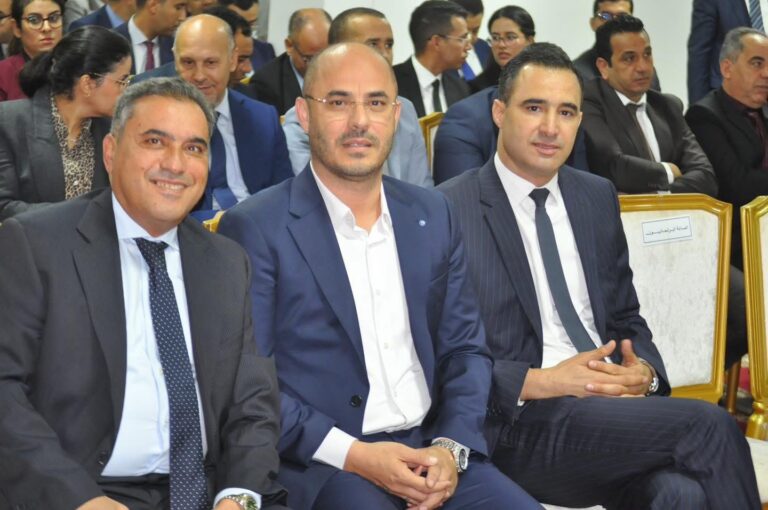
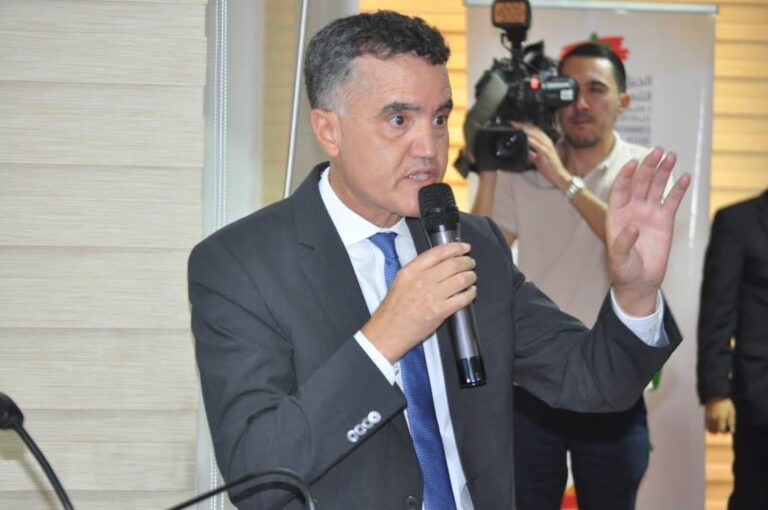
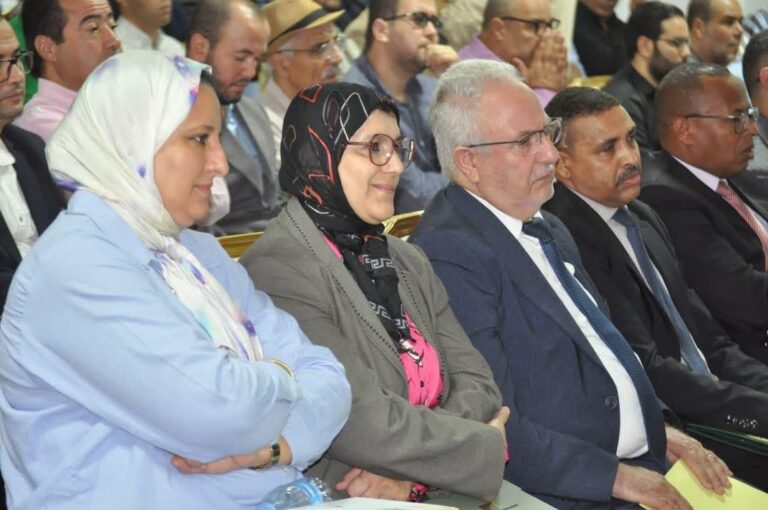
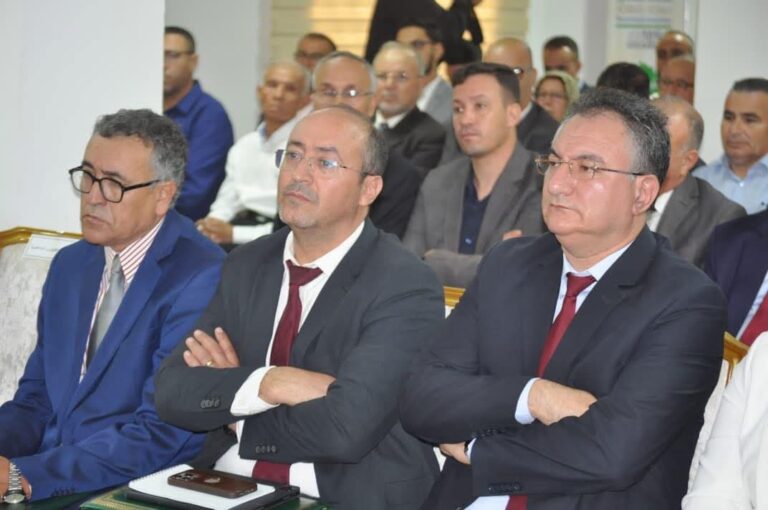
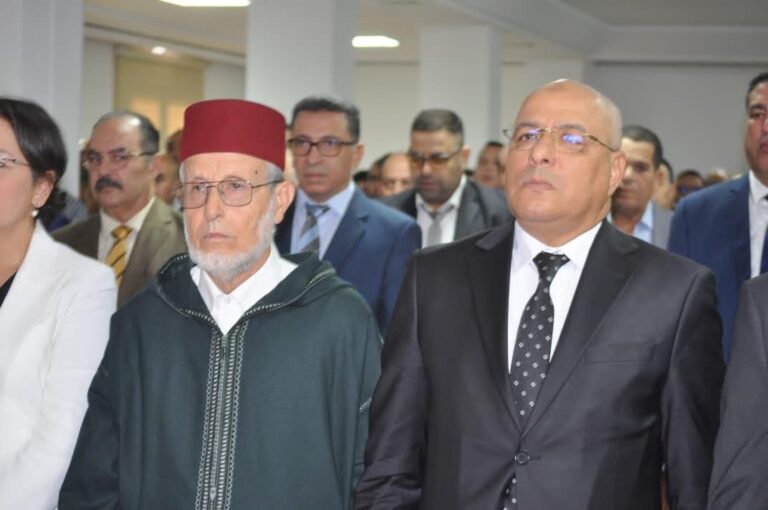
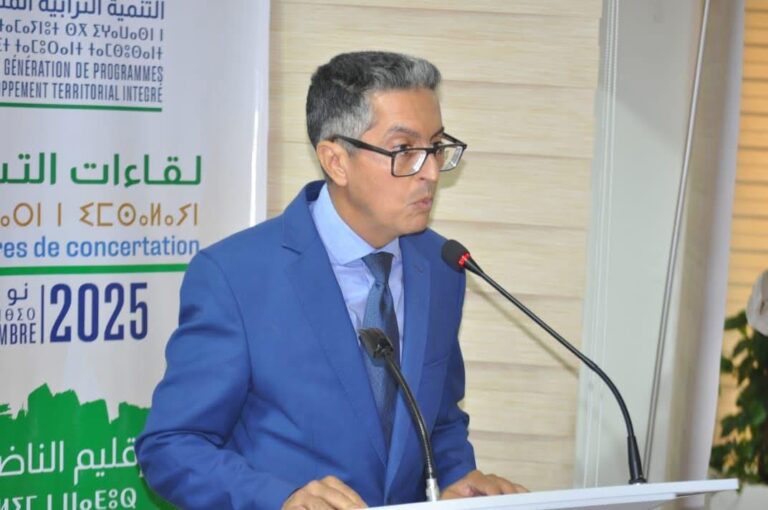
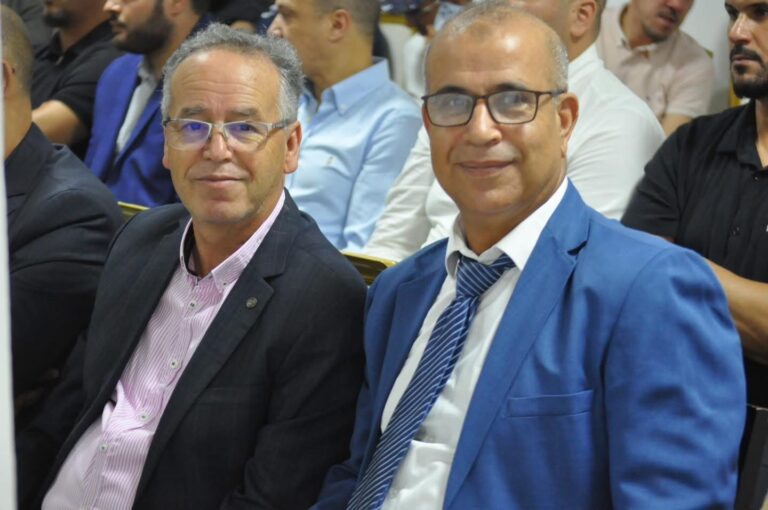
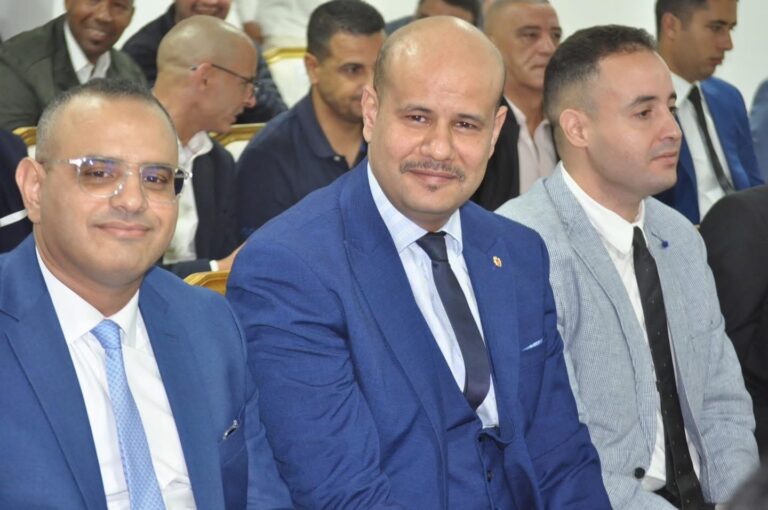
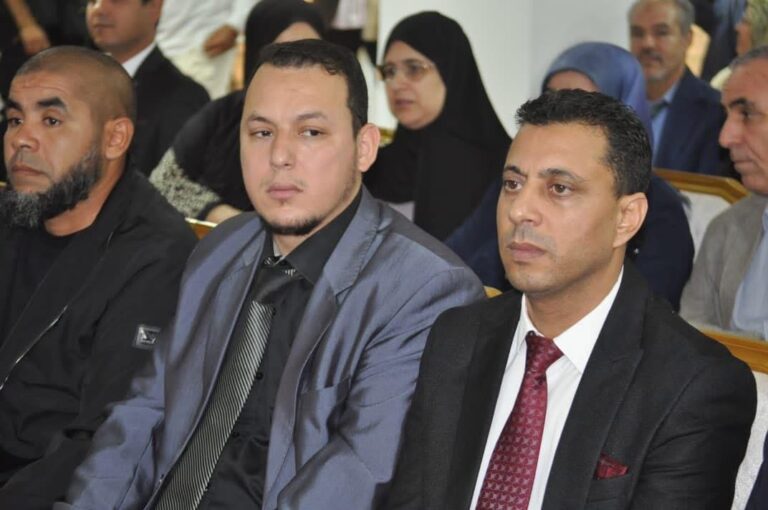
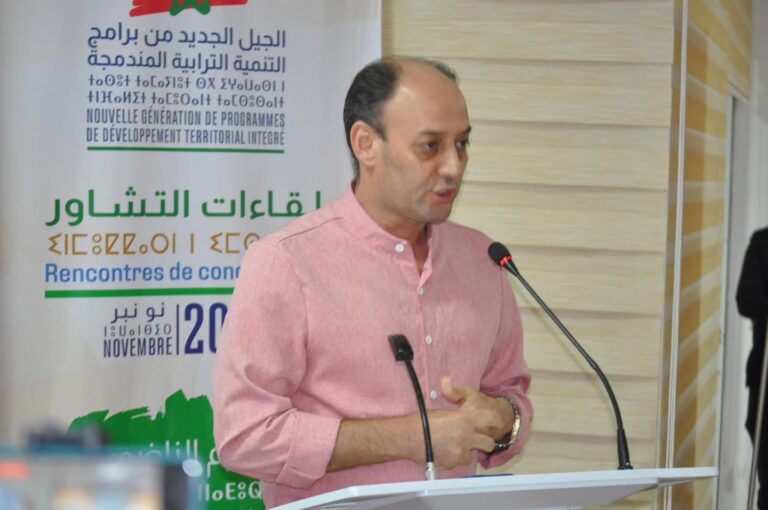
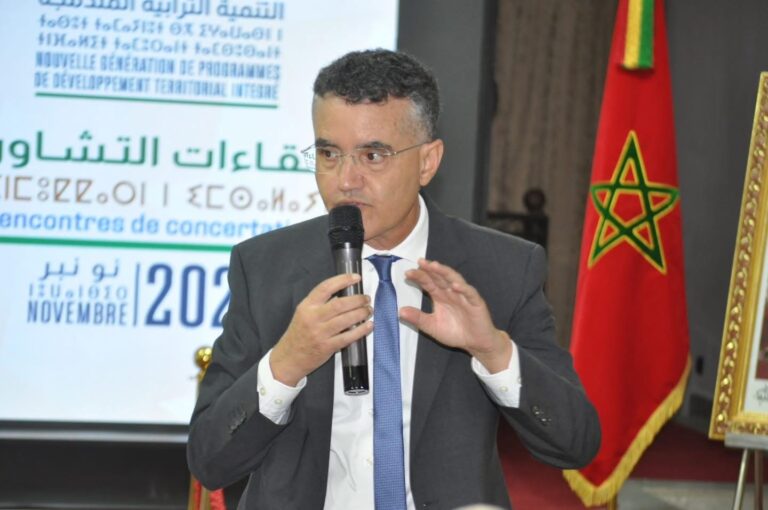
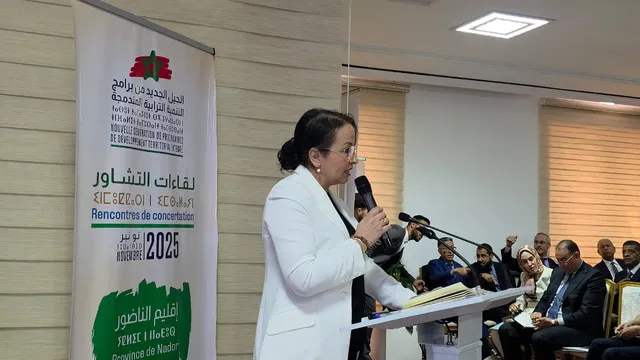
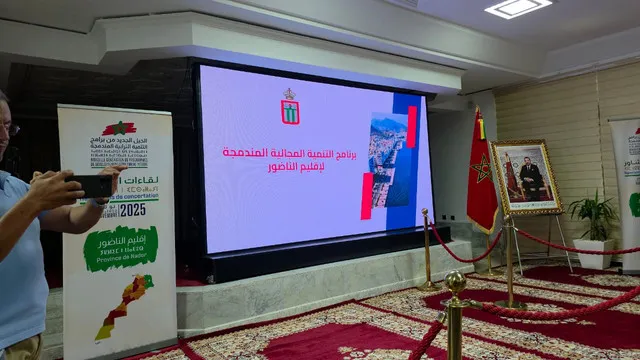
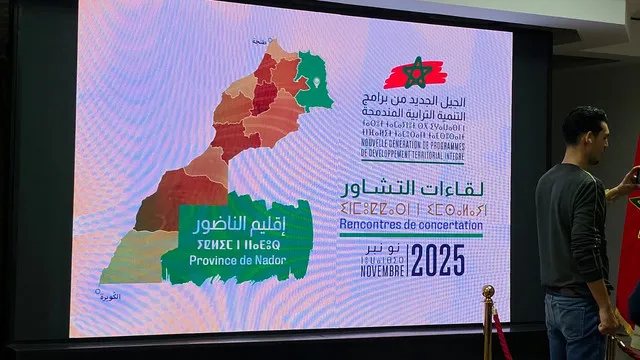
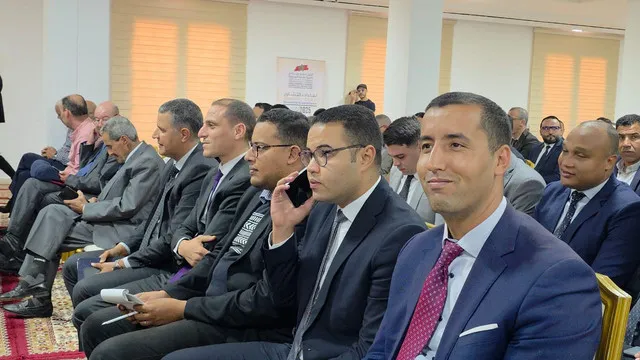
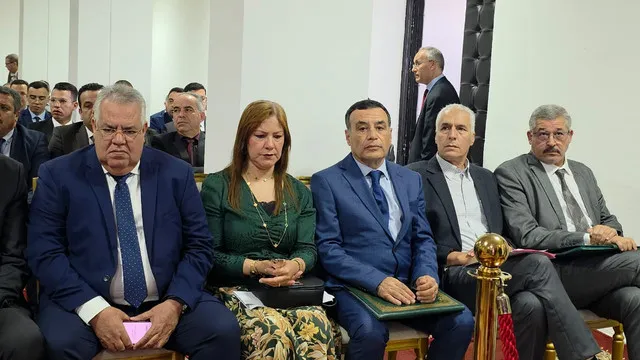
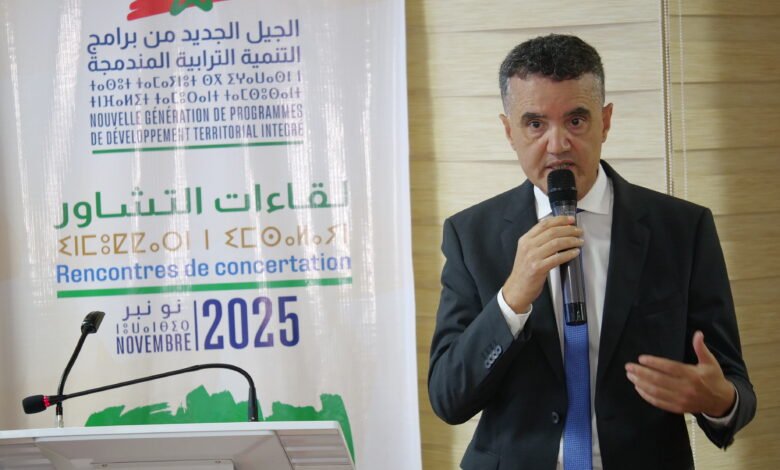
In a step that reflects a field translation of the royal directives aimed at promoting regional justice and consolidating territorial governance, an expanded consultative meeting on the new generation of integrated territorial development programs was held on Wednesday, November 5, 2025, at the headquarters of the Nador regional governorate. The meeting was chaired by the regional governor, Jamal Al Shaarani, in the presence of elected officials, civil society representatives, economic and youth actors, as well as representatives of external services and local partners. The meeting marked a milestone in the region's development process, as it announced the official launch of the listening phase to citizens as a foundational stage in building a new development program based on dialogue, consultation and prioritization according to a participatory approach open to all local actors.
A development vision based on listening and participation
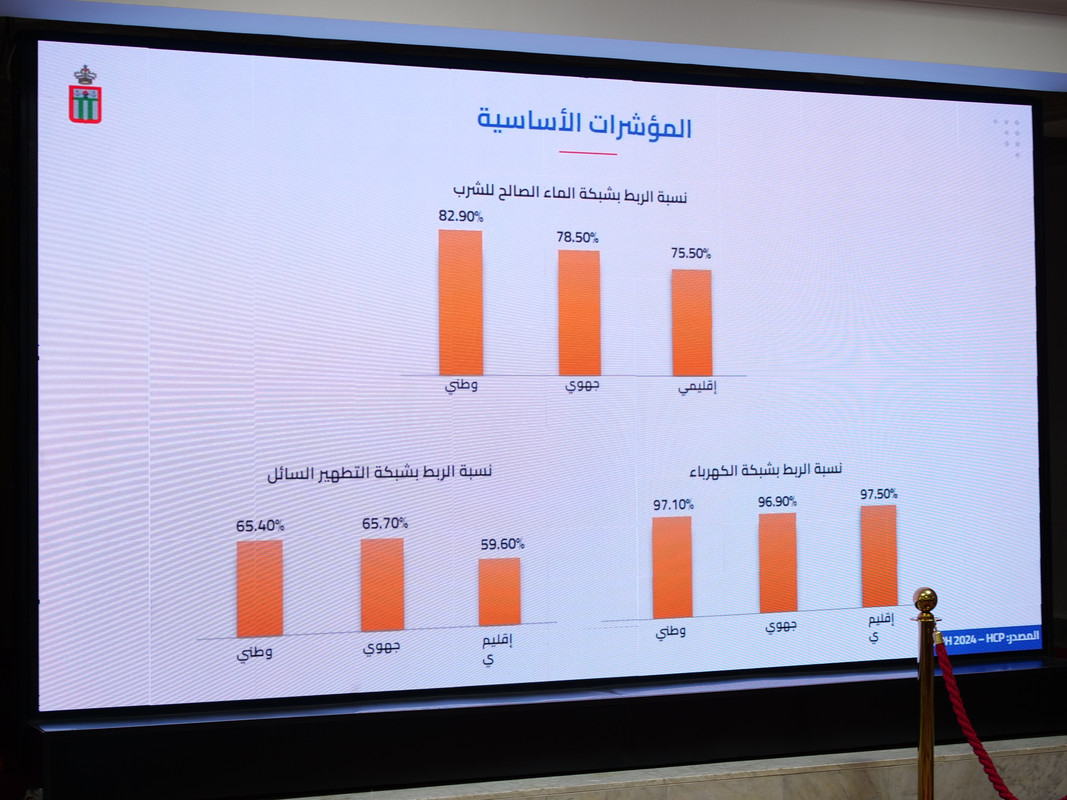
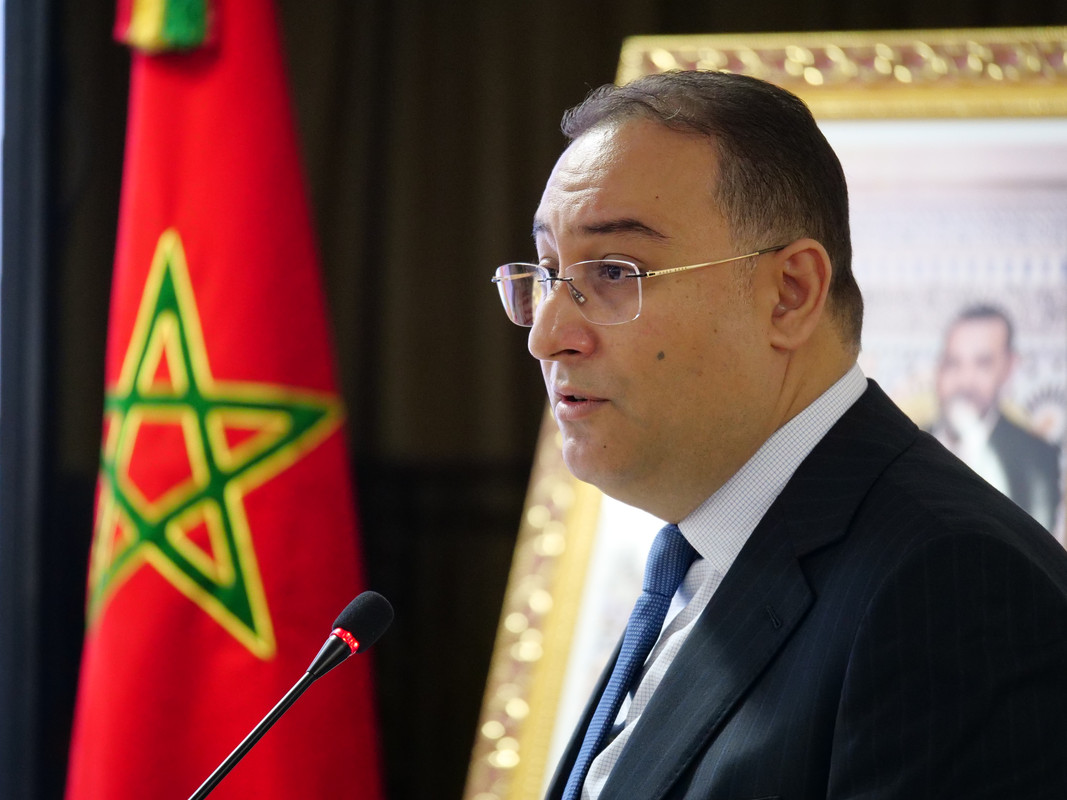
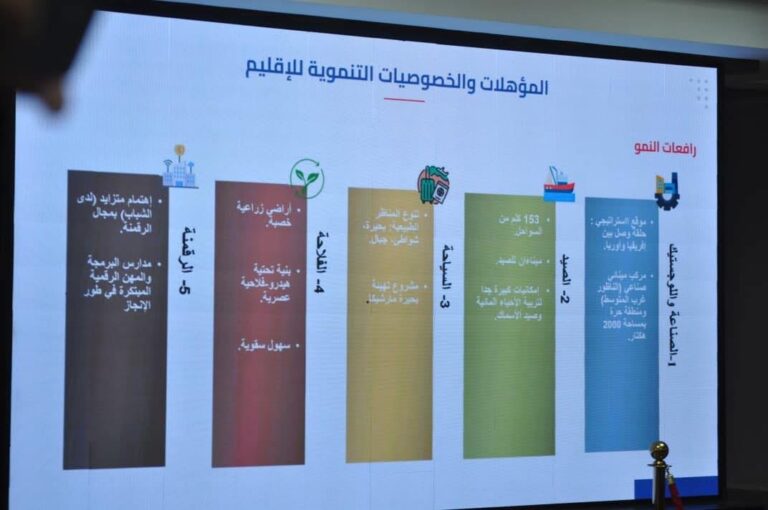
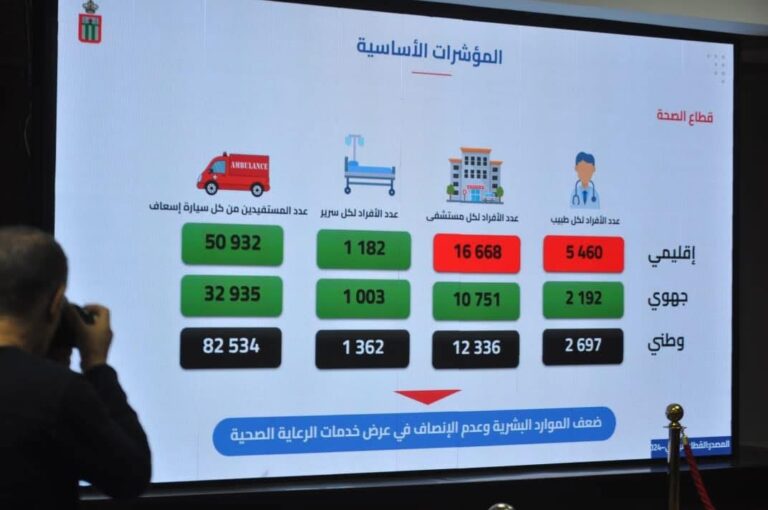
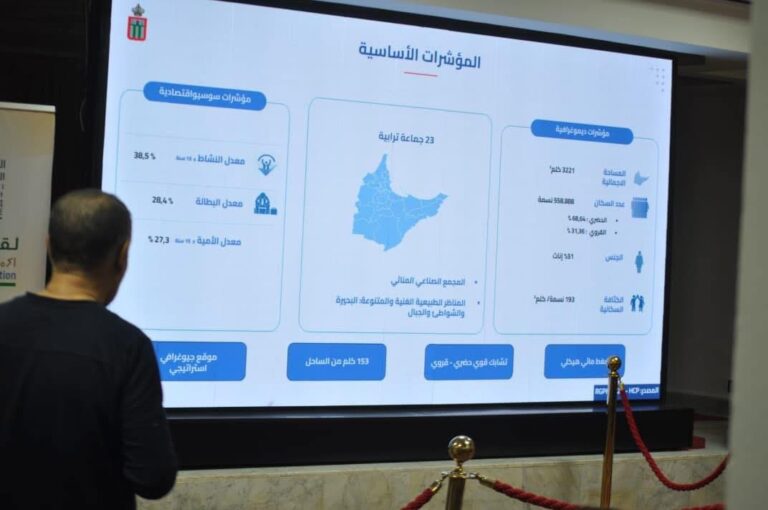
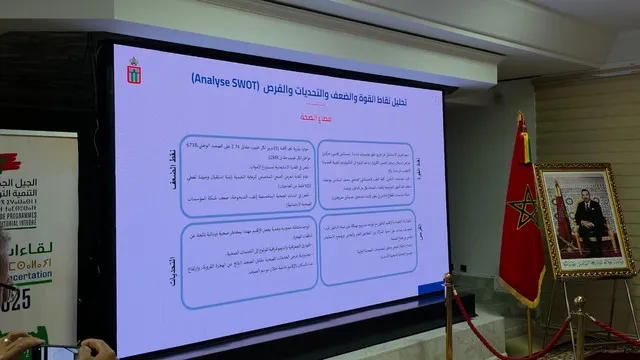
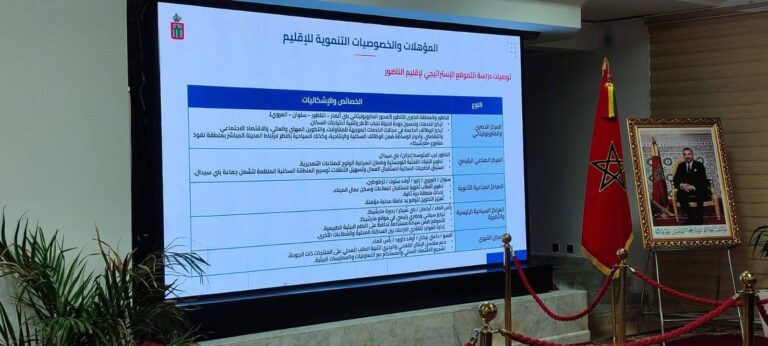
The speakers emphasized that the listening phase will allow collecting accurate data on the needs and expectations of the population, with the aim of crystallizing a realistic development vision that takes into account the specificities of the region and its challenges in various economic, social and environmental fields. During his opening speech, the Governor stressed that any successful development program cannot be achieved without the active involvement of citizens in the stages of diagnosis and planning, stressing that the main objective of this workshop is to give the population a guarantee that their voice will be heard and that their aspirations will be translated into concrete projects that can be achieved. During the meeting, the current status of vital sectors and structured projects in the region was presented in order to crystallize a holistic vision and strategy for sustainable development.
The worker added that this process is in line with the royal directives related to the establishment of spatial justice, noting that the state is moving towards the establishment of the Spatial Development Fund, as a new mechanism to finance projects that have a direct impact on citizens with the aim of reducing disparities and improving services and infrastructure across different territorial communities. The importance of involving civil society and local actors in all stages of planning and implementation, and strengthening partnerships between the public and private sectors to ensure the development of development programs that improve the standard of living and provide job opportunities was emphasized.
Practical mechanisms to ensure consultation and transparency
The outline of the new development program was presented, which will be followed by field phases, including the organization of thematic and local workshops within the region's communities. An interactive electronic platform will be launched to allow citizens and civil society organizations to submit their proposals and needs directly, according to a participatory and transparent approach that enables citizens to express their development needs and suggestions. This process is expected to constitute a turning point in the management of local affairs in the Nador region by establishing a development model based on participation, proximity and effectiveness, and reflects a new vision in territorial planning based on listening instead of imposing, and co-building instead of a meta-approach. This meeting is an essential platform for strengthening the cooperation of local actors and unifying efforts to achieve balanced and inclusive development in the Nador region, while ensuring impact measurement and social responsibility for development in the territorial area.
An evolving strategic framework for territorial development
The new generation of integrated territorial development programs represents an advanced strategic framework based on a comprehensive and sustainable vision for development at the territorial level. It goes beyond traditional approaches by adopting a participatory and integrated approach based on an accurate diagnosis of the needs and expectations of the population with the participation of all actors, including local authorities, elected officials, civil society and the private sector, in order to consolidate the principles of advanced regionalization, complementarity and solidarity in territorial areas, while uniting the efforts of actors around clear priorities and projects with a tangible impact. This framework is based on consolidating the principles of advanced regionalization, integration and solidarity between territorial areas, unifying the efforts of actors around clear priorities and projects with tangible impact, promoting comprehensive sustainable development that takes into account the economic, social and environmental dimensions, and valuing the local characteristics of each region. It also relies on strengthening results-based territorial governance with management based on efficiency, effectiveness and valorization of human and valuable capital, in line with the royal strategic directions that call for consolidating regional justice and reducing regional and social disparities, as evidenced by the National Initiative for Human Development and the new development model. During these programs, extensive consultations will be launched in all regions of the Kingdom to design integrated local programs that fit the local realities, with a focus on citizen involvement and inclusion at the heart of development programs and making the programs emanate from field data and the reality of the soil, constituting a strategic workshop that leads to balanced and integrated development that achieves a tangible positive impact in terms of improving the standard of living of the population and the development of the local economy.