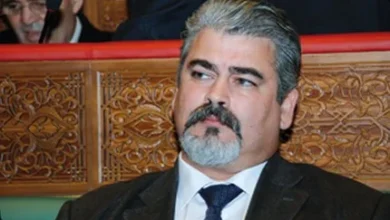

Tohtouh emphasizes: The 2026 Finance Bill strikes a balance between development and social justice
Oriental Eco
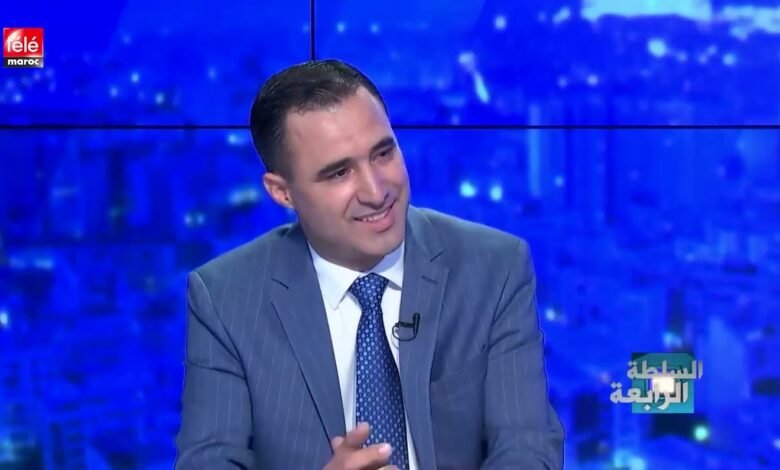
During his participation in a TV talk show, parliamentarian Mahmady Tohtouh of the National Rally of Independents (RNI) reviewed the main features of the proposed draft finance law for 2026, noting that this project comes within the framework of the final year of the current government mandate and seeks to strike a tight balance between various national priorities.
The new fiscal project focuses on supporting vital social initiatives, especially the basic sectors such as health and education, as well as improving the purchasing power of citizens, while working in parallel to strengthen government investments and revitalize the local economy, without losing sight of the need to maintain financial stability to face the challenges of fiscal deficits and debt burdens.
Tohtooh described the project as a logical continuation of the efforts made in previous years, in line with the royal directives and the approved government plan, reflecting the government's unwavering commitment to continue the ongoing reform process.
The parliamentarian highlighted the four pillars of the project, which include consolidating the Kingdom's economic gains, strengthening its position as an emerging power in the region, developing comprehensive regional development programs, strengthening the pillars of the social state, and continuing to implement major radical reforms that ensure the sustainability of the balance in public finances.
Tohtouh stressed the importance of continuing the previously completed reforms, especially in the field of social protection, which includes supporting about four million Moroccan families, reforming the health and education systems, supporting the housing sector and improving the purchasing power of citizens, while ensuring the necessary funding for major projects and national strategies.
The MP's remarks touched on the issue of regional justice and balanced development. He stressed the need to distribute government investments in a fair manner that includes developed, rural and remote areas alike, and considered effective partnership with trade unions and civil society organizations as an essential element for the success of the concept of a social state.
He praised the progress made in the field of social dialogue and the financing of social programs, despite the current global economic challenges, stressing that criticism is a natural part of the process of evaluating government performance, but tangible practical projects such as controlling the cost of basic commodities and developing health and educational services confirm the achievement of tangible positive results despite the exceptional circumstances.
- The full dialog in which a group of parliamentarians participated in the video below: