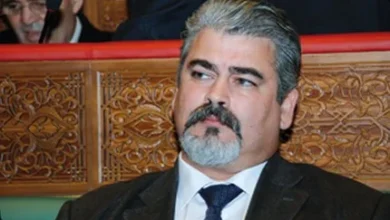

Mohamed Abrakan questions the state of fisheries and highlights the decline in the productivity of sardine factories
Oriental Eco
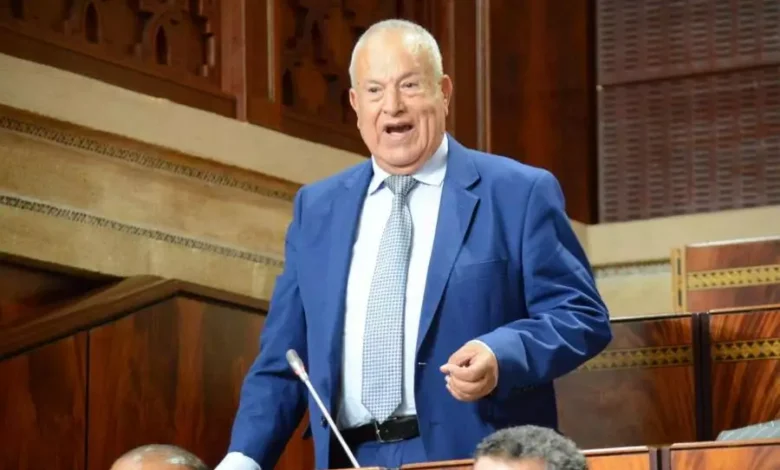
During the December oral question session, the House of Representatives discussed the fisheries file in the eastern region, where MP Mohamed Abrakan presented an intervention focusing on the real situation of the sector, directly criticizing the Secretary of State in charge of fisheries, Zakia Deriouche, for what he called “imbalances and a clear decline” in the productivity of the fishing system compared to the officially announced figures and projects.
Abrakan's intervention: Reality does not reflect what is officially presented
“Morocco is blessed with a coastline that stretches from Saïdia to Kouira,” said Abrakane, noting that maritime activity does not take full advantage of this extension, whether in terms of organization, processing or valorization of marine products.
He highlighted that the talk about developing markets and modernizing infrastructure has not been reflected in the situation of seafarers and professionals, and that the noticeable decline in the productivity of sardine factories reflects a clear gap between statements and the economic reality in the sector, including industries related to valorization and processing.
Minister's response on fishing villages
For her part, Zakia El Deriouche emphasized that the ministry has worked on a gradual approach since the launch of the Aliotis scheme, relying on supporting scientific research as a key path to developing traditional fishing. She noted that the ministry has completed 42 fishermen's villages, including Afri Afounassen, for which she said work has been completed. She also noted that the program to develop maritime markets is part of the overall vision for valorizing production.
However, Abrakan stuck to his remarks, emphasizing that the data provided by professionals, especially in the east, indicate the decline of the national market for marine products and the impact on processing, especially in sardine factories, which are a central element of the economic cycle of the sea.
Need to link numbers to actual results
Abrakan's intervention brought the discussion back to its practical basis, away from the language of programs and reports. He called for an objective assessment of the impact of the strategy on those working at sea, arguing that seafarers in the eastern region are still waiting for a concrete response reflected in the cycle of marketing, valorization and daily living, and not only at the level of official presentations within the legislative institution.
This discussion comes at a sensitive economic situation that requires linking government commitments to measurable achievements to ensure the stability of the fisheries sector along the national coast, including the eastern regions, which constitute a natural and human extension of the fishing system and the circulation of the product