
Gersif governor launches resistant cactus planting project in Saka community
Oriental Eco
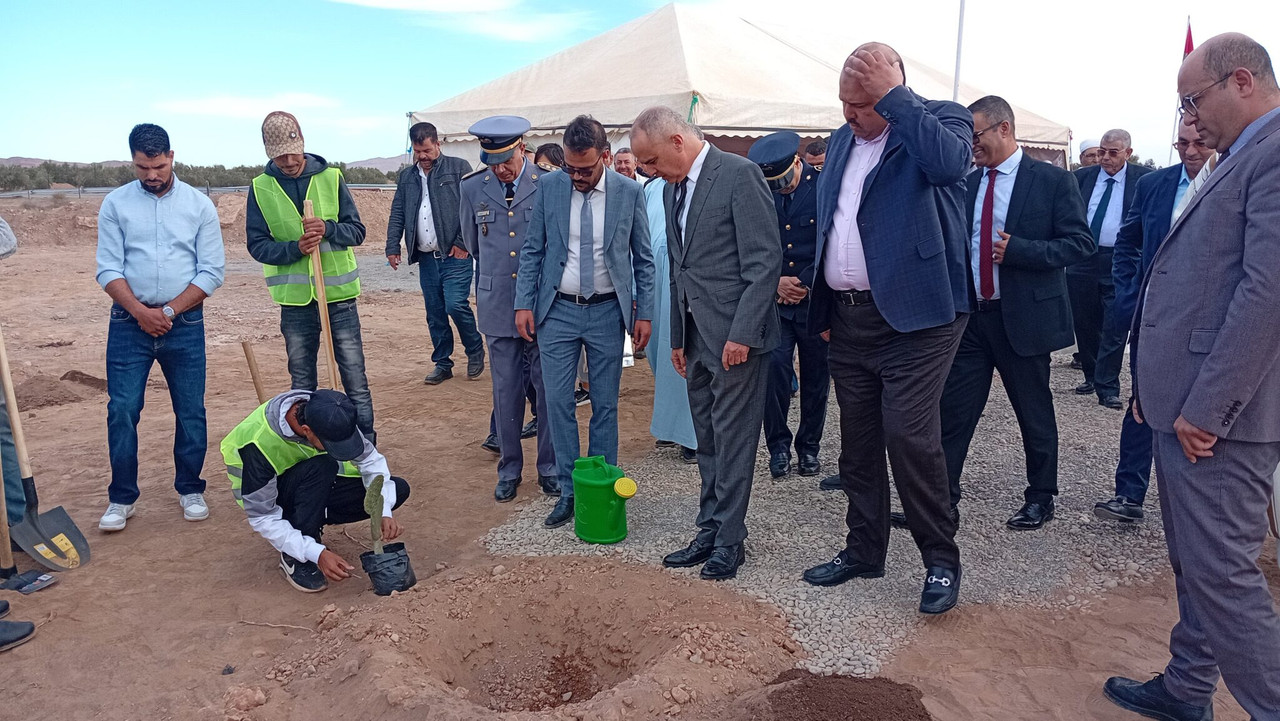
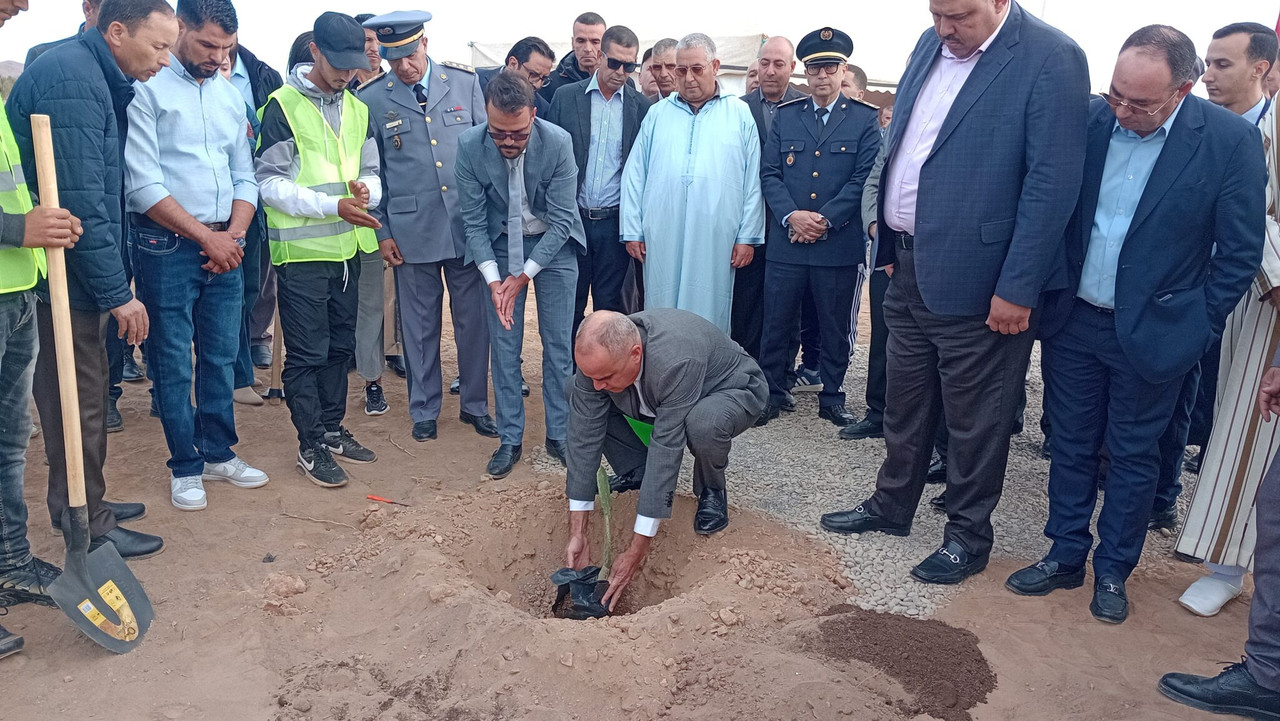
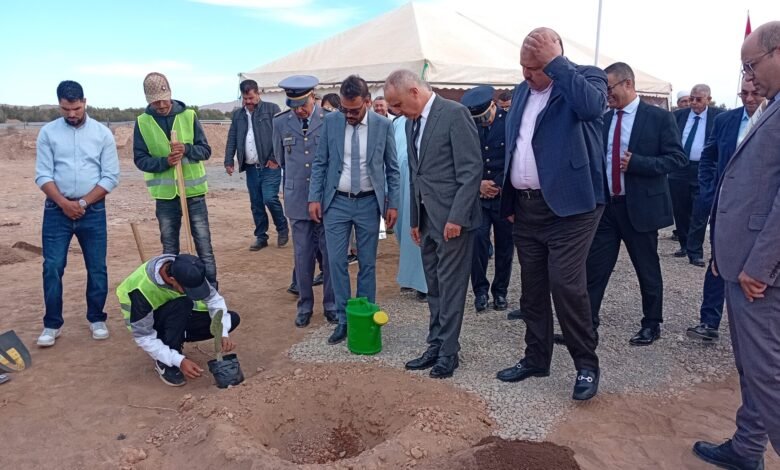
On Monday, the governor of Gersif Province launched a project to plant and cultivate cacti resistant to the cochineal insect in Gersif, as part of the implementation of the regional plan of the Green Generation Strategy 2020-2030. The project aims to boost agricultural production and ensure the sustainability of the region's natural resources.
The project covers three communities, namely Saka, Lamrija and Mezketam, benefiting 580 farmers, at a total cost of more than 1.8 million dirhams, over 18 months.
An integrated program for agricultural development
The integrated program of the project includes several components, most notably the planting of 500 hectares of cacti resistant to the cochineal insect at a cost of 4.5 million dirhams. It also includes drilling five wells to be used for irrigation at a cost of 5 million dirhams, constructing five water collection basins at a cost of 500,000 dirhams, and purchasing five mobile tanks with a capacity of 4 tons each to ensure the transportation and distribution of water, at a cost of 250,000 dirhams.
At the field level, the operation includes the planting of cactus seedlings in the Saaka community on an area of 100 hectares in the Bzezat roundabout at a cost of more than 900,000 dirhams, 50 hectares in the Wasta roundabout at a cost of 491,100 dirhams, and 50 hectares in the Jabbar roundabout at a financial cost of 430,920 dirhams, in addition to 50 hectares in the Jabar roundabout at a cost of 430,920 dirhams.
Economic and social stakes
This project aims to increase the productivity of cacti resistant to the cochineal insect in Jersif and enhance the productivity of agricultural land. It also seeks to improve farmers' incomes by effectively valuing and marketing their products, and achieving sustainable economic and social inclusion in the rural environment.
The project also aims to increase the efficiency of agricultural production and ensure environmental sustainability through the rational management of water resources and the use of modern irrigation techniques that keep pace with the climatic changes witnessed in the region.
This workshop comes in the context of the continuous efforts made by the regional authorities and agricultural departments to support productive projects and promote Gersif as a promising agricultural hub that relies on local value-added products, especially the cochineal-resistant cactus.